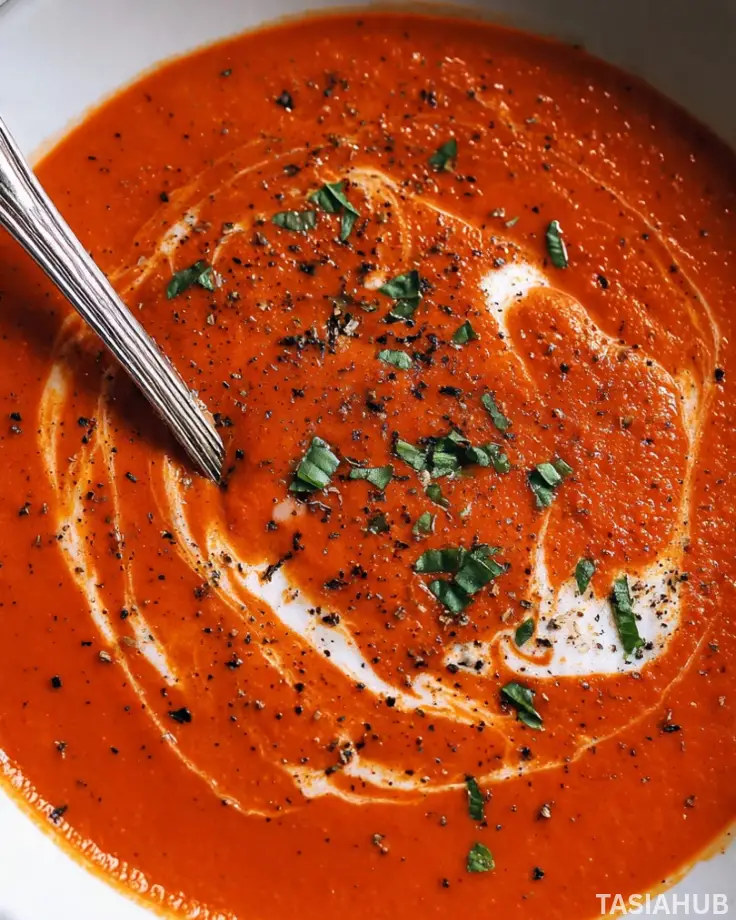
Creamy tomato soup has a way of turning an ordinary meal into something comforting and satisfying without much effort. It’s one of those dishes that feels familiar, yet you can easily tweak it depending on what you have in your kitchen. This version takes things a step further by blending in cottage cheese, giving it a rich texture and a protein boost without needing heavy cream.
If you’ve been wondering what to make with cottage cheese beyond the usual toast or bowls, this soup is a great place to start. Cottage cheese melts into the tomatoes beautifully when blended, creating a velvety consistency that feels indulgent but still light. It’s also one of those meals with cottage cheese that doesn’t taste “healthy” in a boring way—it just tastes good.
The combination of tangy tomatoes and creamy cottage cheese creates a balanced flavor that’s both comforting and slightly refreshing. This tomato soup with cottage cheese is perfect for busy weekdays, chilly evenings, or when you just want something warm without spending too much time in the kitchen.
It’s simple, flexible, and surprisingly satisfying. Once you try it, you might find yourself keeping cottage cheese on hand more often just for this recipe alone.
Why You’ll Love It
- Creamy without heavy cream – The cottage cheese blends right into the soup, giving it that smooth, rich texture you’d expect from a classic creamy tomato soup, but in a lighter way that still feels satisfying.
- High-protein comfort food – Unlike traditional tomato soups, this version sneaks in extra protein from the cottage cheese, making it more filling and balanced for lunch or dinner.
- Quick and low-effort – Everything comes together in one pot and blends easily, so you can have a warm, comforting bowl ready in under 30 minutes without stress.
- Perfect for simple meals – It works beautifully as a light meal on its own or paired with bread, grilled cheese, or even roasted veggies when you want something a bit more filling.
- A smart way to use cottage cheese – If you’ve been looking for new ideas for what to make with cottage cheese, this soup turns it into something completely different and honestly addictive.
Ingredient List
- 2 tablespoons olive oil
- 1 small onion, chopped
- 3 cloves garlic, minced
- 1 can (28 oz) crushed tomatoes
- 2 tablespoons tomato paste
- 1 teaspoon sugar
- 1 teaspoon dried basil
- 1/2 teaspoon dried oregano
- 2 cups vegetable broth (or chicken broth)
- 1 cup cottage cheese
- 1/2 teaspoon salt (or to taste)
- 1/4 teaspoon black pepper
- 1/2 teaspoon red pepper flakes (optional)
- Fresh basil for garnish (optional)
Ingredient Notes
- Cottage cheese – This is the star here. I usually go for a full-fat version because it blends smoother and gives the soup a richer finish, but low-fat works too if that’s what you have.
- Crushed tomatoes – This is what builds that deep, classic tomato soup base. I always prefer good-quality canned tomatoes because they really shape the final flavor.
- Tomato paste – Don’t skip this! It adds depth and that slightly sweet, slow-cooked taste that makes the soup feel like it’s been simmering all day.
- Olive oil + onions + garlic – This trio is what gives the soup its cozy, homemade aroma right from the start. Letting them soften properly makes a huge difference.
- Herbs (basil & oregano) – They bring that familiar Italian-style warmth. You can adjust based on what you like, but I always keep basil in mine for that fresh finish.
Kitchen Equipment Needed
- Large pot or saucepan – For cooking the soup base evenly without splashing or overcrowding.
- Blender (immersion or countertop) – This is what gives the soup its smooth, creamy finish. I personally love using an immersion blender because it saves me from transferring hot soup.
- Wooden spoon or spatula – Perfect for stirring the aromatics and keeping everything from sticking to the pot.
- Chef’s knife – For chopping onions, garlic, and any fresh basil for garnish.
- Cutting board – A stable surface for prepping all your ingredients safely and quickly.
- Measuring cups and spoons – Helps keep the flavors balanced, especially with spices and broth.
- Ladle – Makes serving the soup neat and easy, especially when you’re pouring into bowls for a cozy meal.
Instructions
Step 1: Sauté the aromatics
- Heat the olive oil in a large pot over medium heat. Add the chopped onion and cook for about 4–5 minutes until it turns soft and slightly translucent. Stir in the minced garlic and cook for another 30–60 seconds until fragrant.
Pro tip: Don’t rush this step—the slow sauté builds the flavor base for the entire soup.
Step 2: Build the tomato base
- Add the tomato paste to the pot and stir it into the onions and garlic. Let it cook for about 1–2 minutes to deepen its flavor. Then pour in the crushed tomatoes and mix everything together until well combined.
- Sprinkle in the dried basil, oregano, sugar, salt, black pepper, and red pepper flakes if using. Stir well.
Pro tip: Cooking the tomato paste briefly before adding liquids removes its raw taste and makes the soup richer.
Step 3: Add the broth and simmer
- Pour in the vegetable (or chicken) broth and stir until everything is fully blended. Bring the mixture to a gentle boil, then reduce the heat and let it simmer for about 10–15 minutes.
- This allows all the flavors to come together and deepen.
Pro tip: Keep the simmer gentle—too much boiling can make the flavors feel sharp instead of balanced.
Step 4: Blend until smooth
- Remove the pot from heat. Carefully blend the soup using an immersion blender until smooth and creamy. If using a countertop blender, work in batches and be cautious with the hot liquid.
Pro tip: Blend thoroughly for that silky creamy tomato soup texture—this is where the magic happens.
Step 5: Add the cottage cheese
- Return the blended soup to low heat. Add the cottage cheese and stir until fully incorporated. You can also blend it again for an extra smooth finish if you prefer.
- Let it heat gently for another 2–3 minutes without boiling.
Pro tip: Avoid boiling after adding cottage cheese—it helps keep the texture creamy and prevents curdling.
Step 6: Taste and serve
- Taste the soup and adjust seasoning if needed. Add more salt, pepper, or herbs to your liking. Ladle into bowls and garnish with fresh basil if desired.
- Serve warm and enjoy immediately for the best flavor and texture.

Tips and Tricks for Success
- Blend thoroughly for the best texture – The smoother you blend, the creamier the soup will feel. If you like it extra silky, blend a little longer than you think you need to.
- Keep the heat low after adding cottage cheese – Once it’s in, gentle heat is key. Boiling can change the texture, so just warm it through.
- Taste as you go – Tomatoes can vary in acidity, so don’t be afraid to adjust with a little extra salt or a pinch more sugar if needed.
- Let it simmer for flavor depth – Even an extra 5 minutes on the stove makes a noticeable difference in richness.
- Use good-quality tomatoes – Since tomato is the star, the better the base, the better the soup. It really shows in the final taste.
Ingredient Substitutions and Variations
- Greek yogurt instead of cottage cheese – If you don’t have cottage cheese, Greek yogurt can give a similar tangy creaminess (add it off heat to prevent curdling).
- Fresh tomatoes instead of canned – You can use ripe fresh tomatoes; just roast or cook them down longer for a deeper flavor.
- Add roasted vegetables – Carrots, red peppers, or even zucchini can be blended in for extra sweetness and nutrients.
- Make it spicy – Add extra red pepper flakes or a dash of hot sauce for a warming kick.
- Dairy-free option – Use a plant-based cottage cheese alternative or swap with coconut cream for a slightly different but still creamy texture.
- Herb swaps – Fresh basil, thyme, or even parsley can be used depending on what you like or have available.
Serving Suggestions
- With crusty garlic bread – I love serving this tomato soup with cottage cheese alongside warm, buttery garlic bread. It’s perfect for dipping and makes the meal feel extra comforting.
- With a grilled cheese sandwich – The classic combo never fails. The gooey cheese and crispy bread pair so well with the creamy, tangy soup.
- Topped with fresh basil and a drizzle of olive oil – This simple finishing touch makes the soup feel a bit more elevated and restaurant-style.
- With a side salad – A crisp green salad with a light vinaigrette balances the richness perfectly and keeps the meal fresh and light.
- As a cozy lunch bowl on its own – I honestly enjoy this creamy tomato soup on its own most days. It’s filling enough, especially with the cottage cheese adding protein.

Storage and Reheating Instructions
- Refrigerate properly – Store leftovers in an airtight container in the fridge for up to 3–4 days. Let it cool completely before sealing.
- Reheat gently on the stove – Warm over low to medium heat, stirring occasionally until heated through. Avoid boiling to maintain the creamy texture.
- Microwave option – Heat in short intervals (about 1 minute at a time), stirring in between to ensure even heating.
- Add a splash of broth if needed – The soup may thicken in the fridge, so stir in a little broth or water when reheating to loosen it up.
- Freezing tip – You can freeze it, but the texture may change slightly because of the cottage cheese. If freezing, blend again after reheating for a smoother consistency.
Frequently Asked Questions
Can I taste the cottage cheese in this soup?
Not really. Once it’s blended, the cottage cheese melts into the tomato base and just adds creaminess and body without a strong flavor.
Can I make this soup without blending it?
You can, but it will have a chunkier texture. Blending gives it that smooth, creamy tomato soup finish that makes it extra comforting.
What can I use instead of cottage cheese?
Greek yogurt, ricotta, or even a splash of heavy cream can work. Each one will slightly change the texture, but all still keep it creamy.
Is this soup healthy?
Yes, it’s a lighter, protein-rich option compared to traditional creamy soups. It’s filling without being too heavy, especially thanks to the cottage cheese.
Can I freeze cottage cheese tomato soup?
You can freeze it, but the texture may change a bit after thawing. Blending it again when reheating helps bring it back to smoothness.
What can I serve with it to make it a full meal?
Grilled cheese, garlic bread, or even a simple salad works perfectly. It turns this soup into a complete and satisfying meal.
Did you try this cottage cheese tomato soup? Let me know in the comments how it turned out!

Cottage Cheese Tomato Soup
Equipment
- Large pot or saucepan
- Blender (immersion or countertop)
- Wooden spoon or spatula
- Chef’s knife
- Cutting board
- Measuring cups and spoons
- Ladle
Ingredients
- 2 tablespoons olive oil
- 1 small onion chopped
- 3 cloves garlic minced
- 1 can 28 oz crushed tomatoes
- 2 tablespoons tomato paste
- 1 teaspoon sugar
- 1 teaspoon dried basil
- 1/2 teaspoon dried oregano
- 2 cups vegetable broth or chicken broth
- 1 cup cottage cheese
- 1/2 teaspoon salt or to taste
- 1/4 teaspoon black pepper
- 1/2 teaspoon red pepper flakes optional
- Fresh basil for garnish optional
Instructions
Step 1: Sauté the aromatics
- Heat the olive oil in a large pot over medium heat. Add the chopped onion and cook for about 4–5 minutes until it turns soft and slightly translucent. Stir in the minced garlic and cook for another 30–60 seconds until fragrant.
- Pro tip: Don’t rush this step—the slow sauté builds the flavor base for the entire soup.
Step 2: Build the tomato base
- Add the tomato paste to the pot and stir it into the onions and garlic. Let it cook for about 1–2 minutes to deepen its flavor. Then pour in the crushed tomatoes and mix everything together until well combined.
- Sprinkle in the dried basil, oregano, sugar, salt, black pepper, and red pepper flakes if using. Stir well.
- Pro tip: Cooking the tomato paste briefly before adding liquids removes its raw taste and makes the soup richer.
Step 3: Add the broth and simmer
- Pour in the vegetable (or chicken) broth and stir until everything is fully blended. Bring the mixture to a gentle boil, then reduce the heat and let it simmer for about 10–15 minutes.
- This allows all the flavors to come together and deepen.
- Pro tip: Keep the simmer gentle—too much boiling can make the flavors feel sharp instead of balanced.
Step 4: Blend until smooth
- Remove the pot from heat. Carefully blend the soup using an immersion blender until smooth and creamy. If using a countertop blender, work in batches and be cautious with the hot liquid.
- Pro tip: Blend thoroughly for that silky creamy tomato soup texture—this is where the magic happens.
Step 5: Add the cottage cheese
- Return the blended soup to low heat. Add the cottage cheese and stir until fully incorporated. You can also blend it again for an extra smooth finish if you prefer.
- Let it heat gently for another 2–3 minutes without boiling.
- Pro tip: Avoid boiling after adding cottage cheese—it helps keep the texture creamy and prevents curdling.
Step 6: Taste and serve
- Taste the soup and adjust seasoning if needed. Add more salt, pepper, or herbs to your liking. Ladle into bowls and garnish with fresh basil if desired.
- Serve warm and enjoy immediately for the best flavor and texture.
Notes
Nutritional Value (Per Serving – Approximate)
- Calories: 180–220 kcal
- Protein: 10–14g
- Carbohydrates: 18–22g
- Fat: 7–10g
- Fiber: 3–5g
- Sugar: 8–10g
- Sodium: 500–700mg


