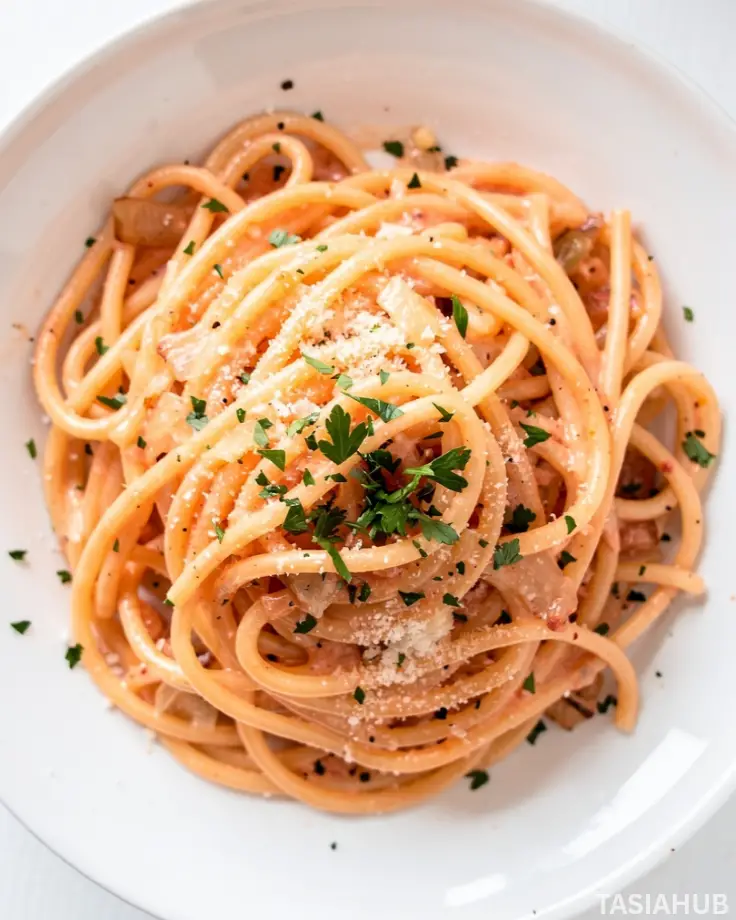
Cottage cheese isn’t usually the first thing people think of when it comes to pasta sauce, but that’s exactly what makes this recipe so interesting. Instead of a heavy, overly rich sauce, this version turns into something creamy, light, and packed with protein while still giving you that comforting spaghetti feel. It blends smoothly into a velvety sauce that coats every strand of pasta beautifully.
What makes this idea so appealing is how simple it is. With just a few ingredients, you can create a Cottage cheese pasta sauce that feels both nourishing and satisfying. It’s the kind of meal that comes together quickly on busy days but still tastes like you put real thought into it. The texture is creamy without being overwhelming, and it pairs well with almost any pasta you already have in your kitchen.
Another great part of this recipe is how flexible it is. You can keep it basic for a quick dinner or build it up with garlic, herbs, or even vegetables depending on what you’re in the mood for. It fits perfectly into Meals with cottage cheese, especially if you’re trying to add more protein into your everyday cooking without relying on heavy cream or complicated ingredients.
Whether you’re cooking for yourself or the whole family, this spaghetti sauce brings a fresh twist to a familiar dish. It’s comforting, easy to love, and surprisingly satisfying in a way that makes you want to come back to it again and again.
Why You’ll Love It
- It turns simple ingredients into something surprisingly creamy and satisfying without needing heavy cream or complicated steps.
- The texture is smooth and rich, coating spaghetti beautifully so every bite feels well-balanced and comforting.
- It’s a quick option for busy days, coming together in minutes while still feeling like a proper homemade meal.
- It’s high in protein, which makes it more filling than your usual pasta sauces and keeps you satisfied for longer.
- It’s incredibly versatile—you can adjust the seasoning, add veggies, or even spice it up depending on your mood.
Ingredient List
For the spaghetti
- 300g spaghetti
- 1 tbsp salt (for boiling water)
For the cottage cheese spaghetti sauce
- 1 ½ cups cottage cheese
- 1 cup tomato sauce (or crushed tomatoes)
- 2 tbsp olive oil
- 3 cloves garlic (minced)
- 1 small onion (chopped)
- 1 tsp dried oregano
- 1 tsp dried basil
- ½ tsp chili flakes (optional)
- Salt and black pepper to taste
- ½ cup pasta water (as needed for thinning)
Optional add-ins
- Grated parmesan cheese (for topping)
- Fresh parsley (for garnish)
Ingredient Notes
- I always use full-fat cottage cheese for this—it blends way creamier and gives the sauce a richer, smoother finish.
- Don’t skip blending the cottage cheese if you want that silky spaghetti sauce texture; it completely transforms the dish.
- I love using good-quality tomato sauce because it balances the mildness of the cottage cheese and brings everything together.
- Fresh garlic makes a big difference here—powder just doesn’t give the same depth of flavor.
- Save a bit of pasta water! It helps loosen the sauce and makes it cling beautifully to the spaghetti.
Instructions
Step 1: Cook the spaghetti
- Bring a large pot of salted water to a boil. Add the spaghetti and cook until al dente according to package instructions.
- Drain the pasta, but don’t forget to reserve about ½ cup of the pasta water before draining completely. Set the spaghetti aside.
Pro tip: Don’t overcook the pasta here—it will soften slightly again when mixed with the sauce, so keeping it al dente gives the best texture.
Step 2: Prepare the cottage cheese sauce base
- Add the cottage cheese and tomato sauce (or crushed tomatoes) into a blender or food processor. Blend until completely smooth and creamy.
- You should get a thick, velvety sauce with no lumps.
Pro tip: Blend a little longer than you think you need to—this is what gives the Cottage cheese pasta sauce that restaurant-style smoothness.
Step 3: Cook the aromatics
- Heat olive oil in a large skillet over medium heat. Add chopped onions and sauté until soft and slightly golden.
- Add the minced garlic and cook for about 30–60 seconds until fragrant.
Pro tip: Don’t let the garlic burn—it turns bitter quickly and can affect the whole flavor of the sauce.
Step 4: Build the sauce
- Pour the blended cottage cheese mixture into the skillet with the cooked onions and garlic. Stir well to combine.
- Add oregano, basil, chili flakes (if using), salt, and black pepper. Let the sauce simmer gently for 5–7 minutes.
Pro tip: Keep the heat on low to medium—slow simmering helps the flavors come together without curdling the sauce.
Step 5: Adjust consistency
- Add a splash of reserved pasta water a little at a time until the sauce reaches your desired consistency.
- It should be creamy and smooth enough to coat the back of a spoon.
Pro tip: Add the pasta water gradually—you can always thin it out more, but you can’t take it back once it’s too runny.
Step 6: Combine with spaghetti
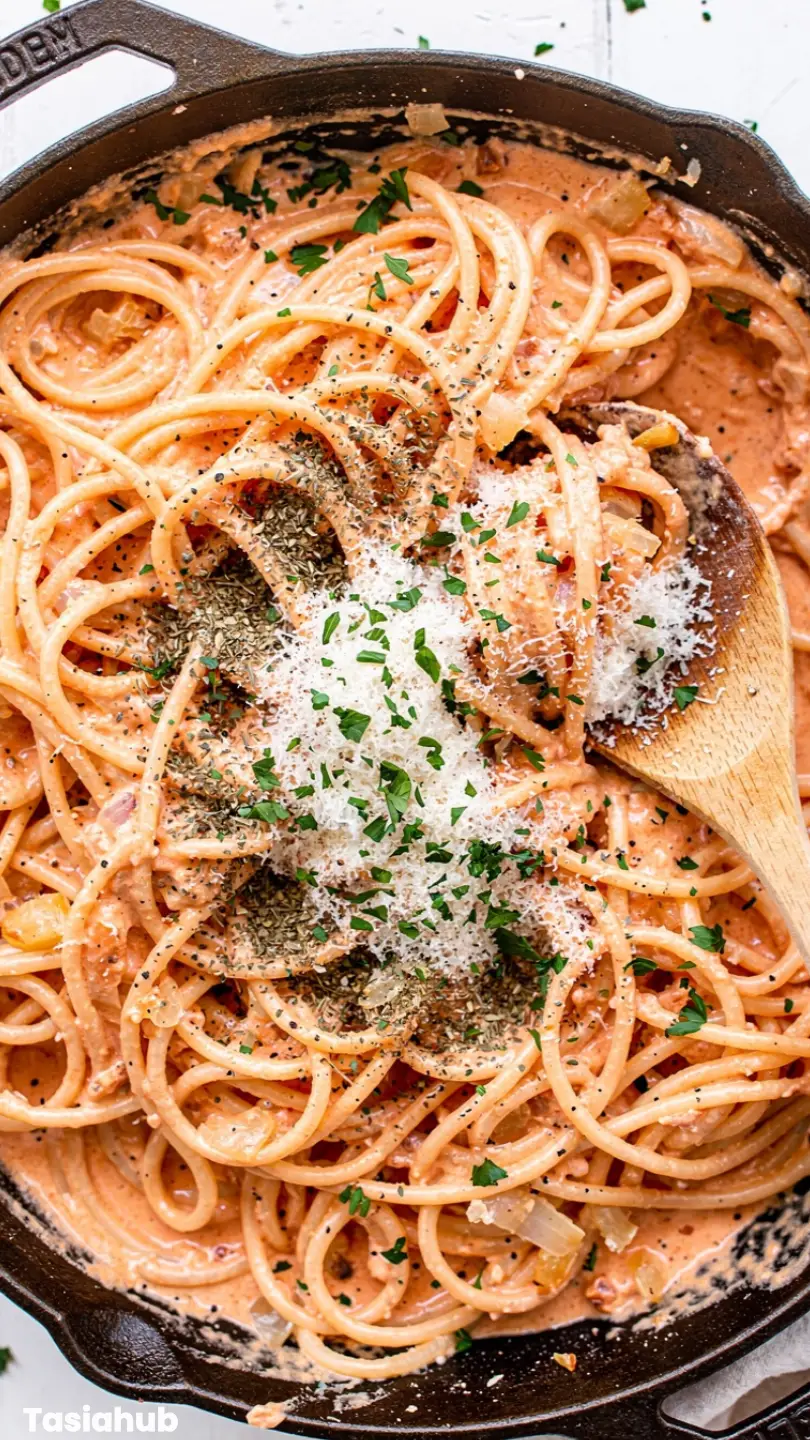
- Add the cooked spaghetti directly into the sauce. Toss gently until every strand is fully coated.
- Let it cook together for 1–2 minutes so the pasta absorbs the flavor.
Pro tip: Toss the pasta in the pan instead of the pot—it helps the sauce cling better and creates a more unified dish.
Step 7: Serve and enjoy
- Turn off the heat and serve immediately. Top with parmesan cheese or fresh parsley if desired.
- Enjoy it warm while it’s creamy and freshly made.
Tips and Tricks for Success
- Blend the cottage cheese really well so the sauce turns silky instead of grainy—this step makes all the difference in texture.
- Keep the heat moderate when simmering the sauce to prevent it from separating or becoming too thick too quickly.
- Always save a bit of pasta water; it helps loosen the sauce and helps it cling better to the spaghetti.
- Taste as you go before combining everything so you can adjust salt, herbs, or spice levels to your liking.
- Let the pasta sit in the sauce for a minute or two before serving so it absorbs more flavor and becomes extra cohesive.
Ingredient Substitutions and Variations
- Swap spaghetti with penne, linguine, or even whole wheat pasta for a slightly different texture and feel.
- Use ricotta instead of cottage cheese for a richer, slightly sweeter creamy sauce.
- Replace tomato sauce with marinara or crushed fire-roasted tomatoes for a deeper, smokier flavor.
- Add spinach, mushrooms, or zucchini for a veggie-packed version that still feels light and satisfying.
- For extra protein, mix in shredded chicken or turkey—it blends really well with the Cottage cheese spaghetti sauce.
- Make it spicy by adding extra chili flakes or a dash of hot sauce if you like a bit of heat.
Serving Suggestions
- I love serving this pasta with warm garlic bread and a crisp green salad—it balances the creamy sauce so well and makes the meal feel complete.
- Pair it with roasted vegetables like zucchini, carrots, or bell peppers for a lighter, veggie-forward dinner plate.
- It goes really well with grilled chicken or fish if you want to turn it into a more filling, protein-packed meal.
- Serve it with a simple cucumber and tomato salad dressed with olive oil and lemon for a fresh contrast.
- For a cozy night in, I sometimes just top it with extra parmesan and enjoy it on its own with a glass of chilled juice or sparkling water.
Storage and Reheating Instructions
- Store leftovers in an airtight container and keep them in the refrigerator for up to 3 days.
- When reheating, add a splash of water or milk to loosen the sauce and bring back its creamy texture.
- Reheat gently on the stovetop over low heat or in the microwave in short intervals, stirring in between.
- Avoid overheating, as the Cottage cheese pasta sauce can thicken too much if cooked too long again.
- If the pasta absorbs too much sauce in storage, just mix in a little extra tomato sauce or pasta water when reheating to revive it.
Frequently Asked Questions
Can I use low-fat cottage cheese for this recipe?
Yes, you can, but the sauce may be slightly less creamy. Full-fat cottage cheese gives the smoothest and richest result for this Cottage cheese spaghetti sauce.
Does the sauce taste like cottage cheese?
Not really. Once it’s blended and cooked with garlic, herbs, and tomato sauce, the flavor becomes mild, creamy, and well-balanced.
Can I make this sauce ahead of time?
Yes, you can prepare the sauce a day or two in advance and store it in the fridge. Just reheat gently and add a splash of water if it thickens.
What can I use instead of tomato sauce?
You can use crushed tomatoes, marinara sauce, or even roasted red pepper sauce for a slightly different flavor twist.
Can I freeze cottage cheese pasta sauce?
It’s not ideal because the texture may change slightly after thawing, but it can still work if you re-blend it after reheating.
Is this recipe kid-friendly?
Absolutely! It’s creamy, mild, and not too spicy, making it a great option for both kids and adults.
Did you try this recipe? Let me know in the comments how it turned out!
Cottage Cheese Spaghetti Sauce
Equipment
- Large pot
- Blender or Food Processor
- Large skillet or frying pan
- Wooden spoon or spatula
- Colander
- Measuring cups and spoons
- Knife and chopping board
Ingredients
For the spaghetti
- 300 g spaghetti
- 1 tbsp salt for boiling water
For the cottage cheese spaghetti sauce
- 1 ½ cups cottage cheese
- 1 cup tomato sauce or crushed tomatoes
- 2 tbsp olive oil
- 3 cloves garlic minced
- 1 small onion chopped
- 1 tsp dried oregano
- 1 tsp dried basil
- ½ tsp chili flakes optional
- Salt and black pepper to taste
- ½ cup pasta water as needed for thinning
Optional add-ins
- Grated parmesan cheese for topping
- Fresh parsley for garnish
Instructions
Step 1: Cook the spaghetti
- Bring a large pot of salted water to a boil. Add the spaghetti and cook until al dente according to package instructions.
- Drain the pasta, but don’t forget to reserve about ½ cup of the pasta water before draining completely. Set the spaghetti aside.
- Pro tip: Don’t overcook the pasta here—it will soften slightly again when mixed with the sauce, so keeping it al dente gives the best texture.
Step 2: Prepare the cottage cheese sauce base
- Add the cottage cheese and tomato sauce (or crushed tomatoes) into a blender or food processor. Blend until completely smooth and creamy.
- You should get a thick, velvety sauce with no lumps.
- Pro tip: Blend a little longer than you think you need to—this is what gives the Cottage cheese pasta sauce that restaurant-style smoothness.
Step 3: Cook the aromatics
- Heat olive oil in a large skillet over medium heat. Add chopped onions and sauté until soft and slightly golden.
- Add the minced garlic and cook for about 30–60 seconds until fragrant.
- Pro tip: Don’t let the garlic burn—it turns bitter quickly and can affect the whole flavor of the sauce.
Step 4: Build the sauce
- Pour the blended cottage cheese mixture into the skillet with the cooked onions and garlic. Stir well to combine.
- Add oregano, basil, chili flakes (if using), salt, and black pepper. Let the sauce simmer gently for 5–7 minutes.
- Pro tip: Keep the heat on low to medium—slow simmering helps the flavors come together without curdling the sauce.
Step 5: Adjust consistency
- Add a splash of reserved pasta water a little at a time until the sauce reaches your desired consistency.
- It should be creamy and smooth enough to coat the back of a spoon.
- Pro tip: Add the pasta water gradually—you can always thin it out more, but you can’t take it back once it’s too runny.
Step 6: Combine with spaghetti
- Add the cooked spaghetti directly into the sauce. Toss gently until every strand is fully coated.
- Let it cook together for 1–2 minutes so the pasta absorbs the flavor.
- Pro tip: Toss the pasta in the pan instead of the pot—it helps the sauce cling better and creates a more unified dish.
Step 7: Serve and enjoy
- Turn off the heat and serve immediately. Top with parmesan cheese or fresh parsley if desired.
- Enjoy it warm while it’s creamy and freshly made.
Notes
Nutritional Value (Approx. per serving)
- Calories: 380–450 kcal
- Protein: 18–22g
- Carbohydrates: 45–55g
- Fat: 12–16g
- Fiber: 3–5g
- Sugar: 5–8g
- Sodium: Moderate
- Calcium: High


