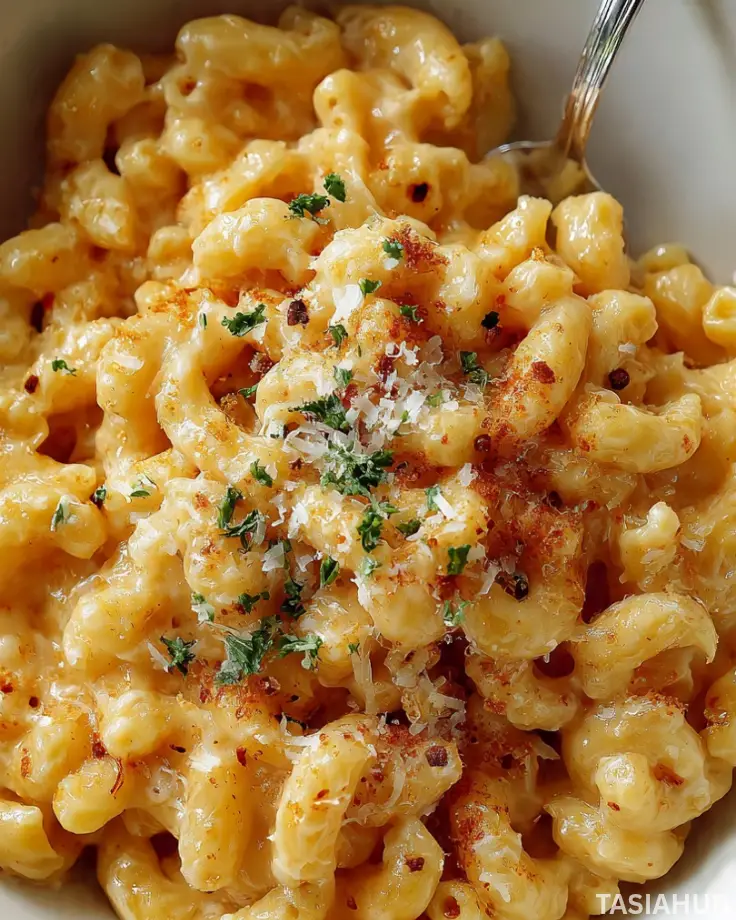
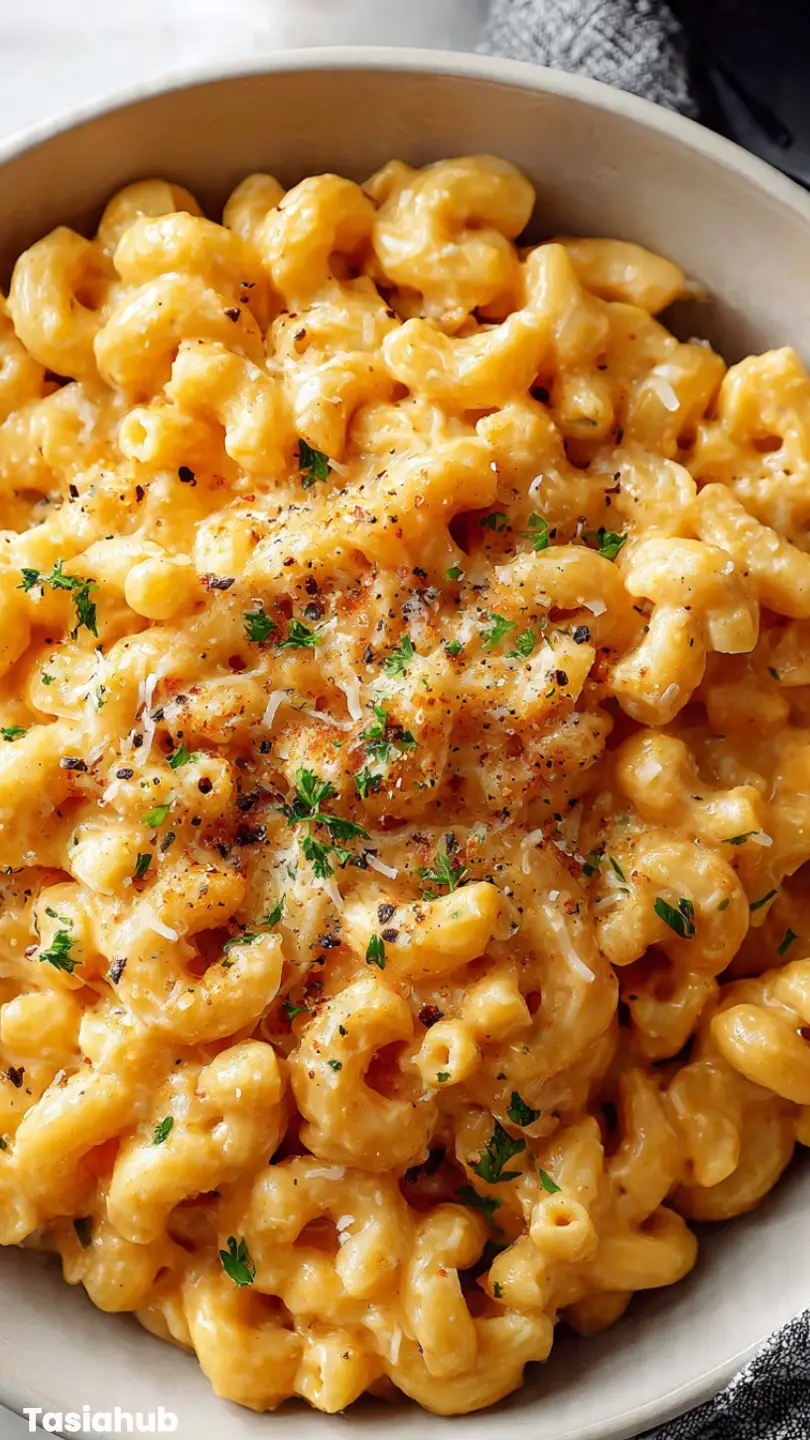
Mac and cheese is one of those comfort meals that never really goes out of style—but this version brings a fresh, feel-good twist you didn’t know you needed. Cottage cheese mac and cheese is creamy, rich, and surprisingly satisfying, with a lighter, protein-packed upgrade that still hits all the cozy notes.
If you’ve been exploring meals with cottage cheese lately, this is one recipe that deserves a spot in your regular rotation. It blends everything you love about classic mac and cheese with a smoother, slightly tangy flavor that makes each bite a little more interesting. Plus, it’s a clever way to turn a simple ingredient into something that feels indulgent without being too heavy.
Wondering what to make with cottage cheese beyond breakfast bowls or snacks? This recipe shows just how versatile it can be. When blended into a sauce, cottage cheese becomes silky and creamy, creating a luscious coating for pasta that rivals traditional cheese sauces. Even if you’re not usually a fan of cottage cheese on its own, this dish might completely change your mind.
Cottage cheese pasta has been gaining attention for good reason—it’s quick, easy, and adds a nourishing boost to everyday meals. And when it comes to mac and cheese with cottage cheese, you’re getting the best of both worlds: comfort food that feels just a little more balanced, without sacrificing flavor.
Why You’ll Love It
- It’s ultra creamy without feeling heavy: Blended cottage cheese creates a smooth, velvety sauce that coats every bite of pasta beautifully—no grainy texture, just pure comfort with a lighter touch.
- A simple way to add more protein to your meal: This isn’t just comfort food; it actually keeps you full. The cottage cheese adds a satisfying boost, making it perfect for lunch or dinner when you want something hearty but balanced.
- Comes together quickly with everyday ingredients: No complicated steps or hard-to-find items here. It’s the kind of recipe you can whip up on a busy day and still feel like you made something special.
- A great twist on classic mac and cheese: You still get that nostalgic, cheesy goodness, but with a slightly tangy, richer flavor that makes it feel a bit more elevated and interesting.
- Easy to customize to your taste: Whether you want to add crispy bacon, veggies, or a little spice, this dish adapts easily—so you can make it exactly how you like it every time.
Ingredient List
For the pasta
- 250g elbow macaroni (or any short pasta of choice)
- Water (for boiling)
- 1 tsp salt
For the sauce
- 1 cup cottage cheese
- 1 cup shredded cheddar cheese
- ½ cup milk
- 1 tbsp butter
- 1 tbsp all-purpose flour
- ½ tsp garlic powder
- ½ tsp onion powder
- Salt to taste
- Black pepper to taste
Optional add-ins
- ¼ tsp paprika or chili flakes
- Extra cheese for topping
- Cooked chicken, bacon, or veggies
Ingredient Notes
- Cottage cheese: This is the star of the dish. I always blend mine until completely smooth so the sauce turns out silky and creamy instead of lumpy—it makes all the difference.
- Cheddar cheese: Go for a sharp cheddar if you can. It gives that bold, classic mac and cheese flavor that balances perfectly with the cottage cheese.
- Milk: Don’t skip this—it helps loosen the sauce so it coats the pasta properly instead of turning too thick or sticky.
- Butter + flour: This little combo helps create a light roux, which gives the sauce that rich, restaurant-style texture without much effort.
- Seasoning: Garlic powder and onion powder might seem small, but they bring the whole sauce to life. Without them, the flavor can taste flat, so don’t leave them out.
Kitchen Equipment Needed
- Large pot: For boiling the pasta evenly without sticking or clumping.
- Blender or food processor: This is key for getting that cottage cheese completely smooth and creamy—I always prefer a high-speed blender for the best texture.
- Medium saucepan: Used to make and heat the cheese sauce so everything melts together nicely.
- Wooden spoon or spatula: Perfect for stirring the sauce without scratching your pan and for mixing everything together gently.
- Colander: For draining the pasta quickly once it’s cooked—simple but essential.
- Measuring cups and spoons: Helps keep everything balanced so the sauce turns out rich and not too thick or too runny.
Instructions
1. Cook the pasta
- Bring a large pot of water to a boil.
- Add salt and stir it in so it dissolves.
- Pour in the macaroni and cook until al dente (firm but tender).
- Stir occasionally so the pasta doesn’t stick together.
- Once done, drain using a colander and set aside.
Pro tip: Don’t overcook the pasta—it will continue cooking slightly when mixed with the hot sauce, so keeping it firm helps prevent a mushy mac and cheese.
2. Blend the cottage cheese sauce
- Add cottage cheese to a blender or food processor.
- Blend until completely smooth and creamy.
- Make sure there are no lumps left for a silky sauce texture.
Pro tip: Take your time here—blending well is what gives this mac and cheese its ultra-creamy finish, so don’t rush this step.
3. Make the cheese base
- Place a medium saucepan on low to medium heat.
- Melt butter until fully liquid.
- Add flour and whisk continuously for about 1 minute to form a light paste (roux).
- Slowly pour in the milk while whisking to avoid lumps.
- Keep stirring until the mixture thickens slightly.
Pro tip: Whisk continuously while adding the milk—this is what prevents clumps and keeps your sauce smooth.
4. Build the cheesy sauce
- Pour in the blended cottage cheese.
- Stir gently until fully combined with the milk mixture.
- Add shredded cheddar cheese and mix until melted and creamy.
- Season with garlic powder, onion powder, salt, and black pepper.
- Taste and adjust seasoning if needed.
Pro tip: Keep the heat low at this stage so the cheese melts smoothly without separating or becoming grainy.
5. Combine with pasta
- Add the cooked macaroni into the cheese sauce.
- Stir until every piece is fully coated and creamy.
- Let it sit on low heat for 1–2 minutes so the flavors come together.
Pro tip: Fold the pasta in gently instead of stirring aggressively—this helps keep the texture creamy and prevents breaking the pasta.
6. Serve and enjoy
- Serve immediately while warm and creamy.
- Add extra cheese or toppings if desired.
- Enjoy as is or pair with your favorite sides.
Tips and Tricks for Success
- Blend the cottage cheese until completely smooth: This step makes or breaks the texture. A well-blended base gives you that rich, creamy sauce without any curd-like bits.
- Keep the heat low when melting the cheese: High heat can make the sauce split or turn grainy, so gentle heat is your best friend here.
- Salt your pasta water properly: It’s the first layer of flavor, and it helps the entire dish taste more balanced in the end.
- Don’t rush the roux step: Cooking the flour and butter together for a full minute removes that raw flour taste and helps thicken the sauce properly.
- Stir the pasta in gently: Over-mixing can break the pasta and make the dish lose that nice, comforting texture.
Ingredient Substitutions and Variations
- Pasta swaps: You can use penne, fusilli, or shells if you don’t have macaroni. Anything that holds sauce well works perfectly.
- Cheese options: Try mozzarella for extra stretch, gouda for a smoky depth, or parmesan for a sharper flavor boost.
- Milk alternatives: You can use evaporated milk for a richer taste or any plant-based milk if you prefer a lighter or dairy-free option.
- Cottage cheese alternatives: Ricotta can work in place of cottage cheese, though it will give a slightly softer, less tangy flavor.
- Protein add-ins: Grilled chicken, shredded turkey, or crispy bacon make it more filling and turn it into a full meal.
- Veggie variations: Add steamed broccoli, peas, spinach, or mushrooms for extra texture and nutrients.
- Spice it up: A pinch of cayenne, paprika, or chili flakes can give the dish a subtle heat that balances the creaminess nicely.
Serving Suggestions
- I love serving this pasta with garlic bread and a crisp green salad—it balances the richness perfectly and makes the meal feel complete without being too heavy.
- Pair it with grilled chicken or turkey for a more filling, protein-packed dinner that still feels comforting and satisfying.
- It goes really well with roasted vegetables like broccoli, carrots, or zucchini for a simple, wholesome plate.
- For a cozy night in, I sometimes serve it with a side of sautéed spinach and a sprinkle of chili flakes on top for a little kick.
- It also works beautifully as a standalone dish, especially when topped with extra cheese and a pinch of black pepper right before serving.

Storage and Reheating Instructions
- Refrigerate properly: Store leftovers in an airtight container and keep in the fridge for up to 3–4 days.
- Reheat gently on the stove: Add a splash of milk or water and warm over low heat while stirring to bring back the creamy texture.
- Microwave option: Heat in short intervals, stirring in between, and add a little milk if it looks too thick.
- Avoid overheating: Too much heat can make the sauce separate, so always reheat slowly for the best result.
- Freezing (optional): You can freeze it, but the texture may change slightly. If you do, thaw in the fridge overnight before reheating.
Frequently Asked Questions
Can you taste the cottage cheese in this mac and cheese?
Not really. Once it’s blended and mixed with the cheddar and seasoning, it just adds creaminess and richness without a strong cottage cheese flavor.
Do I have to blend the cottage cheese?
Yes, for the best texture. Blending makes it completely smooth and helps it melt into the sauce properly, so you don’t get any lumps.
Can I make this ahead of time?
Yes, you can. Just store it in the fridge and reheat gently with a splash of milk to bring back the creamy texture.
What type of pasta works best?
Elbow macaroni is classic, but penne, shells, or fusilli also work well since they hold onto the sauce nicely.
Can I make this recipe healthier?
Absolutely. You can use low-fat cottage cheese, reduce the cheese slightly, or add more veggies like spinach or broccoli.
Why is my sauce grainy?
This usually happens if the heat is too high or the cheese was added too quickly. Always keep the heat low and stir gently for a smooth finish.
Did you try this recipe? Let me know in the comments how it turned out!

Cottage Cheese Mac and Cheese
Equipment
- Large pot
- Blender or Food Processor
- Medium saucepan
- Wooden spoon or spatula
- Colander
- Measuring cups and spoons
Ingredients
For the pasta
- 250 g elbow macaroni or any short pasta of choice
- Water for boiling
- 1 tsp salt
For the sauce
- 1 cup cottage cheese
- 1 cup shredded cheddar cheese
- ½ cup milk
- 1 tbsp butter
- 1 tbsp all-purpose flour
- ½ tsp garlic powder
- ½ tsp onion powder
- Salt to taste
- Black pepper to taste
Optional add-ins
- ¼ tsp paprika or chili flakes
- Extra cheese for topping
- Cooked chicken bacon, or veggies
Instructions
Cook the pasta
- Bring a large pot of water to a boil.
- Add salt and stir it in so it dissolves.
- Pour in the macaroni and cook until al dente (firm but tender).
- Stir occasionally so the pasta doesn’t stick together.
- Once done, drain using a colander and set aside.
- Pro tip: Don’t overcook the pasta—it will continue cooking slightly when mixed with the hot sauce, so keeping it firm helps prevent a mushy mac and cheese.
Blend the cottage cheese sauce
- Add cottage cheese to a blender or food processor.
- Blend until completely smooth and creamy.
- Make sure there are no lumps left for a silky sauce texture.
- Pro tip: Take your time here—blending well is what gives this mac and cheese its ultra-creamy finish, so don’t rush this step.
Make the cheese base
- Place a medium saucepan on low to medium heat.
- Melt butter until fully liquid.
- Add flour and whisk continuously for about 1 minute to form a light paste (roux).
- Slowly pour in the milk while whisking to avoid lumps.
- Keep stirring until the mixture thickens slightly.
- Pro tip: Whisk continuously while adding the milk—this is what prevents clumps and keeps your sauce smooth.
Build the cheesy sauce
- Pour in the blended cottage cheese.
- Stir gently until fully combined with the milk mixture.
- Add shredded cheddar cheese and mix until melted and creamy.
- Season with garlic powder, onion powder, salt, and black pepper.
- Taste and adjust seasoning if needed.
- Pro tip: Keep the heat low at this stage so the cheese melts smoothly without separating or becoming grainy.
Combine with pasta
- Add the cooked macaroni into the cheese sauce.
- Stir until every piece is fully coated and creamy.
- Let it sit on low heat for 1–2 minutes so the flavors come together.
- Pro tip: Fold the pasta in gently instead of stirring aggressively—this helps keep the texture creamy and prevents breaking the pasta.
Serve and enjoy
- Serve immediately while warm and creamy.
- Add extra cheese or toppings if desired.
- Enjoy as is or pair with your favorite sides.
Notes
Nutritional Value (Approximate, per serving)
- Calories: 350–420 kcal
- Protein: 18–22g
- Carbohydrates: 35–40g
- Fat: 15–20g
- Saturated Fat: 8–10g
- Fiber: 1–2g
- Sugar: 3–5g
- Sodium: 400–600mg
- Calcium: 20–25% of daily value


