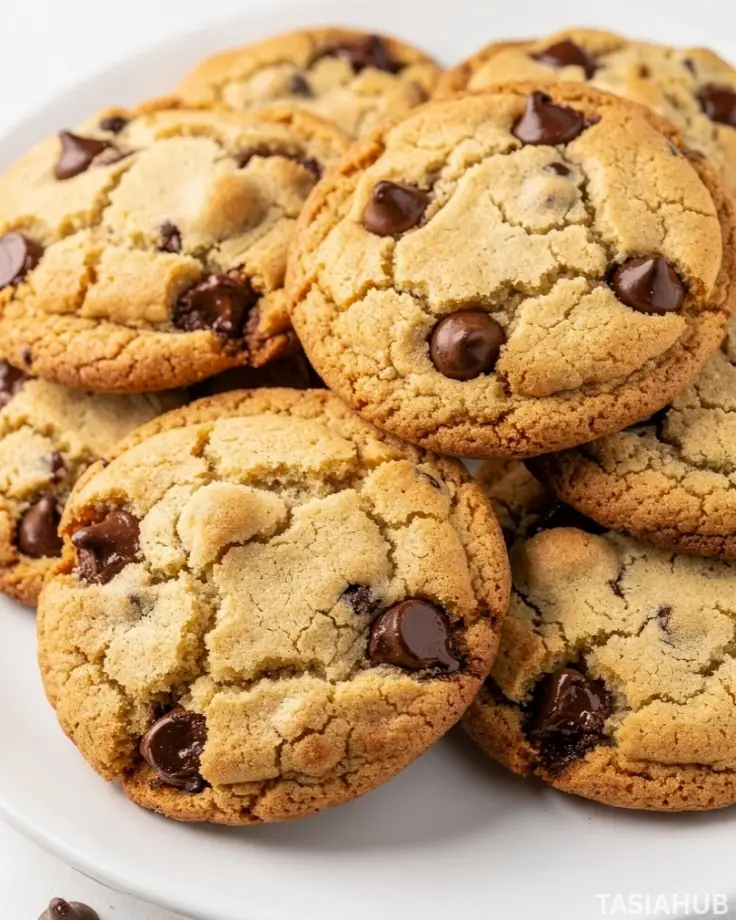
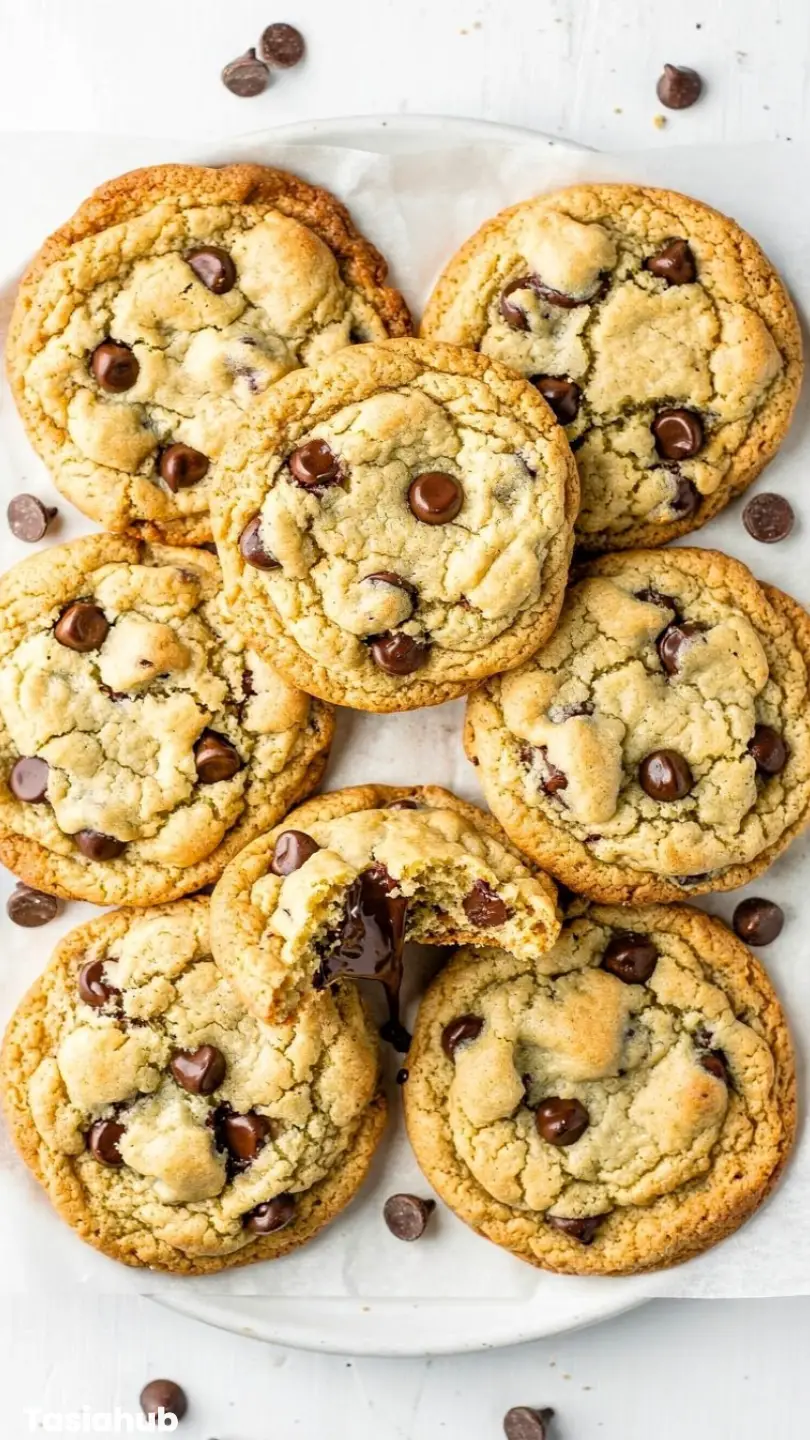
Soft, chewy, and a little unexpected—these cookies bring a fun twist to a classic favorite. Instead of relying only on butter or cream cheese, cottage cheese steps in to create a moist, tender texture that makes every bite feel extra satisfying. The chocolate chips melt into little pockets of sweetness, balancing perfectly with the subtle tang from the cheese.
Baking with cottage cheese might not be the first thing that comes to mind when thinking about cookies, but it’s one of those simple swaps that really changes the game. It blends right into the dough, adding moisture without making the cookies heavy. The result is a batch that stays soft even after a couple of days (if they last that long).
These cottage cheese cookies are especially great when you want something homemade but not overly complicated. The ingredients are familiar, but the technique gives you something a bit different from your usual chocolate chip cookies. It’s a nice way to switch things up without stepping too far outside comfort baking.
Chocolate chip cookies with cottage cheese also have a way of surprising people in the best way. Most won’t guess the secret ingredient, but they’ll definitely notice how soft and rich the texture is. It’s the kind of recipe that quietly becomes a favorite because it feels both familiar and new at the same time.
Why You’ll Love It
- Incredibly soft texture that stays fresh longer: The cottage cheese helps lock in moisture, so the cookies don’t dry out quickly. Even the next day, they’re still soft and satisfying.
- A subtle protein boost without changing the flavor too much: You get a little extra nutrition in every bite, but the taste still feels like a classic chocolate chip cookie—not “healthy dessert” vibes.
- Perfect balance of sweet and slightly tangy: The chocolate chips bring the sweetness, while the cottage cheese adds a light, pleasant depth that keeps the flavor from feeling one-note.
- Easy to make with simple ingredients: Nothing complicated here—just pantry staples and a quick mix. It’s the kind of recipe you can whip up without overthinking it.
- A fun twist that surprises everyone who tries it: People expect a regular cookie, but the texture instantly stands out. It’s always a conversation starter when you share them.
Ingredient List
- 1 cup cottage cheese
- 1/2 cup unsalted butter (softened)
- 1/2 cup granulated sugar
- 1/2 cup brown sugar
- 1 large egg
- 1 teaspoon vanilla extract
- 2 cups all-purpose flour
- 1/2 teaspoon baking soda
- 1/2 teaspoon baking powder
- 1/4 teaspoon salt
- 1 cup chocolate chips
Ingredient Notes
- Cottage cheese: Make sure to use smooth or well-blended cottage cheese. I usually blend mine quickly so it mixes easily into the dough without lumps—it gives the cookies that soft, moist texture.
- Butter: Softened butter is key here. I like using unsalted butter so I can control the sweetness properly, especially with the chocolate chips in the mix.
- Brown sugar: Don’t skip this one—it adds that slight chewiness and deeper flavor that makes chocolate chip cookies with cottage cheese taste richer and more bakery-style.
- Vanilla extract: A good-quality vanilla makes a big difference. I always go for pure vanilla extract because it really brings everything together.
- Chocolate chips: Use whatever you love, but semi-sweet chocolate chips work best for balance. They melt just enough without making the cookies overly sweet or heavy.
Kitchen Equipment Needed
- Mixing bowls – For combining wet and dry ingredients separately before bringing everything together. I like using glass bowls because they’re sturdy and easy to clean.
- Hand mixer or stand mixer – Helps cream the butter and sugars smoothly so the dough comes out light and fluffy. A hand mixer works perfectly if you don’t want to haul out a big machine.
- Measuring cups and spoons – Essential for getting the right balance of ingredients so your cookies bake up consistently every time.
- Spatula or wooden spoon – Great for folding in the flour and chocolate chips without overmixing the dough.
- Blender or food processor (optional) – Useful for smoothing out the cottage cheese so it blends seamlessly into the dough. This step makes a big difference in texture.
- Baking sheet – Where all the magic happens. I usually line mine with parchment paper so the cookies don’t stick and cleanup is easier.
- Parchment paper or silicone baking mat – Helps prevent burning on the bottom and keeps the cookies from spreading too much.
- Cookie scoop or tablespoon – Makes it easier to portion out even cookie sizes so they bake evenly.
Instructions
1. Prepare the cottage cheese
- Blend or mash the cottage cheese until smooth and creamy.
- If you’re using a blender, just pulse for a few seconds until the texture looks more like thick yogurt.
Pro tip: A smooth cottage cheese base helps the cookies bake evenly without random lumps in the dough.
2. Cream the butter and sugars
- In a large mixing bowl, add the softened butter, granulated sugar, and brown sugar.
- Beat together using a hand mixer or stand mixer until the mixture looks light and fluffy (about 2–3 minutes).
Pro tip: Don’t rush this step—proper creaming adds air to the dough, which keeps your cookies soft instead of dense.
3. Add the wet ingredients
- Mix in the egg and vanilla extract, beating until fully combined.
- Next, add the smooth cottage cheese and mix again until everything looks creamy and well blended.
Pro tip: Scrape down the sides of the bowl so everything mixes evenly—this helps avoid pockets of unmixed ingredients.
4. Combine the dry ingredients
- In a separate bowl, whisk together the flour, baking soda, baking powder, and salt.
- Gradually add this dry mixture into the wet ingredients in batches, mixing gently after each addition.
Pro tip: Mix just until the flour disappears—overmixing can make the cookies tough instead of soft.
5. Fold in the chocolate chips
- Add the chocolate chips and gently fold them into the dough using a spatula or wooden spoon.
- Make sure they’re evenly distributed so every cookie has plenty of chocolate.
6. Shape the cookie dough
- Scoop out portions of dough using a cookie scoop or tablespoon.
- Place them on a baking sheet lined with parchment paper, leaving space between each one so they can spread.
7. Bake the cookies
- Preheat your oven to 350°F (175°C).
- Bake for about 10–12 minutes, or until the edges are lightly golden while the centers still look slightly soft.
Pro tip: Don’t overbake—these cookies continue to set as they cool, which is what keeps them soft and chewy.
8. Cool and enjoy
- Let the cookies sit on the baking sheet for about 5 minutes before transferring them to a cooling rack.
- Serve warm for melty chocolate goodness or let them cool completely for a firmer texture.
Tips and Tricks for Success
- Blend the cottage cheese for the best texture: Even if it looks smooth out of the container, blending helps it fully disappear into the dough for soft, bakery-style cookies.
- Don’t overmix the dough: Once the flour goes in, mix just until combined. Overworking it can make the cookies turn out dense instead of tender.
- Chill the dough if it feels too soft: If your dough is sticky or spreading too fast, pop it in the fridge for 20–30 minutes before baking. It helps the cookies hold their shape better.
- Watch the bake time closely: Pull them out when the centers still look slightly soft. They finish setting as they cool, which keeps the texture perfect.
- Use parchment paper for even baking: It prevents sticking and helps the bottoms bake evenly without getting too dark.
Ingredient Substitutions and Variations
- Greek yogurt instead of cottage cheese: If you’re out of cottage cheese, plain Greek yogurt can work in a pinch. The texture will be slightly different, but still soft and moist.
- Dark chocolate or white chocolate chips: Switch up the flavor by using dark chocolate for a richer taste or white chocolate for a sweeter, creamier cookie.
- Add chopped nuts: Walnuts or pecans add a nice crunch and balance the softness of the cookies.
- Make it gluten-free: Use a 1:1 gluten-free flour blend. Just make sure it includes xanthan gum for structure.
- Reduce sugar for a less sweet version: You can slightly cut down the sugar if you prefer a more balanced, less dessert-heavy cookie.
- Add cinnamon or espresso powder: A pinch of cinnamon gives warmth, while espresso powder deepens the chocolate flavor without making it taste like coffee.
Serving Suggestions
- Warm with a glass of cold milk: I love eating these straight from the oven with a chilled glass of milk—the melted chocolate and soft texture just hit differently when they’re warm.
- With a scoop of vanilla ice cream: If you want to turn them into a dessert moment, sandwich a scoop of vanilla ice cream between two cookies. It’s simple but feels like a bakery treat.
- As an afternoon snack with coffee or tea: These cookies pair really well with a hot cup of coffee or tea. I usually enjoy them mid-afternoon when I need something sweet but not too heavy.
- Packed in lunchboxes or snack jars: They hold up well, so I like adding them to lunchboxes or snack jars for a quick treat during the day.
- On a dessert platter for gatherings: I love serving these alongside brownies or fruit at small get-togethers. They always stand out because of how soft and different they are.

Storage and Reheating Instructions
- Room temperature storage: Store cooled cookies in an airtight container at room temperature for up to 3–4 days. I usually place parchment paper between layers so they don’t stick together.
- Refrigerator storage (optional): If your kitchen is warm, you can refrigerate them for up to a week. Just let them sit out for a few minutes before eating so they soften again.
- Freezing baked cookies: Freeze in an airtight container for up to 2 months. I like freezing a batch so I always have a quick treat ready.
- Freezing cookie dough: Scoop dough balls onto a tray, freeze until firm, then transfer to a bag. Bake straight from frozen—just add an extra 1–2 minutes to the baking time.
- Reheating for fresh-baked taste: Warm cookies in the microwave for 10–15 seconds or in the oven at a low temperature for a few minutes. This brings back that soft, melty chocolate texture.
Frequently Asked Questions
Can you really taste the cottage cheese in these cookies?
Not really. Once it’s blended and baked, the flavor blends in smoothly. It mostly adds moisture and softness rather than a cheesy taste.
Do I need to blend the cottage cheese first?
It’s highly recommended. Blending makes it smooth and helps it mix evenly into the dough so your cookies turn out soft and consistent.
Why are my cookies spreading too much?
This usually happens if the dough is too warm or the butter is overly soft. Chilling the dough for 20–30 minutes before baking usually fixes it.
Can I use low-fat cottage cheese?
Yes, you can. The cookies will still work, but full-fat cottage cheese gives a richer, softer texture.
How do I keep the cookies soft for days?
Store them in an airtight container and avoid overbaking. Slightly underbaking them helps keep that soft, chewy center longer.
Can I make the dough ahead of time?
Absolutely. You can refrigerate the dough for up to 24–48 hours or freeze it for longer storage. Just bake when you’re ready.
Did you try this recipe? Let me know in the comments how it turned out!

Cottage Cheese Chocolate Chip Cookies
Equipment
- Mixing Bowls
- Hand mixer or stand mixer
- Measuring cups and spoons
- Spatula or wooden spoon
- Blender or Food Processor (Optional)
- Baking Sheet
- Parchment paper or silicone baking mat
- Cookie scoop or tablespoon
Ingredients
- 1 cup cottage cheese
- 1/2 cup unsalted butter softened
- 1/2 cup granulated sugar
- 1/2 cup brown sugar
- 1 large egg
- 1 teaspoon vanilla extract
- 2 cups all-purpose flour
- 1/2 teaspoon baking soda
- 1/2 teaspoon baking powder
- 1/4 teaspoon salt
- 1 cup chocolate chips
Instructions
Prepare the cottage cheese
- Blend or mash the cottage cheese until smooth and creamy.
- If you’re using a blender, just pulse for a few seconds until the texture looks more like thick yogurt.
- Pro tip: A smooth cottage cheese base helps the cookies bake evenly without random lumps in the dough.
Cream the butter and sugars
- In a large mixing bowl, add the softened butter, granulated sugar, and brown sugar.
- Beat together using a hand mixer or stand mixer until the mixture looks light and fluffy (about 2–3 minutes).
- Pro tip: Don’t rush this step—proper creaming adds air to the dough, which keeps your cookies soft instead of dense.
Add the wet ingredients
- Mix in the egg and vanilla extract, beating until fully combined.
- Next, add the smooth cottage cheese and mix again until everything looks creamy and well blended.
- Pro tip: Scrape down the sides of the bowl so everything mixes evenly—this helps avoid pockets of unmixed ingredients.
Combine the dry ingredients
- In a separate bowl, whisk together the flour, baking soda, baking powder, and salt.
- Gradually add this dry mixture into the wet ingredients in batches, mixing gently after each addition.
- Pro tip: Mix just until the flour disappears—overmixing can make the cookies tough instead of soft.
Fold in the chocolate chips
- Add the chocolate chips and gently fold them into the dough using a spatula or wooden spoon.
- Make sure they’re evenly distributed so every cookie has plenty of chocolate.
Shape the cookie dough
- Scoop out portions of dough using a cookie scoop or tablespoon.
- Place them on a baking sheet lined with parchment paper, leaving space between each one so they can spread.
Bake the cookies
- Preheat your oven to 350°F (175°C).
- Bake for about 10–12 minutes, or until the edges are lightly golden while the centers still look slightly soft.
- Pro tip: Don’t overbake—these cookies continue to set as they cool, which is what keeps them soft and chewy.
Cool and enjoy
- Let the cookies sit on the baking sheet for about 5 minutes before transferring them to a cooling rack.
- Serve warm for melty chocolate goodness or let them cool completely for a firmer texture.
Notes
Nutritional Value (per serving – approx. 2 cookies)
- Calories: 180–220 kcal
- Protein: 5–7 g
- Carbohydrates: 22–28 g
- Sugar: 12–16 g
- Fat: 8–11 g
- Saturated Fat: 4–6 g
- Fiber: 1–2 g
- Sodium: 90–140 mg
The nutritional information provided on this website is an estimate only and is intended for general guidance. We cannot guarantee its accuracy and recommend consulting a qualified healthcare professional or registered dietitian for personalized nutrition advice.