Lemon Blueberry Bundt Cake
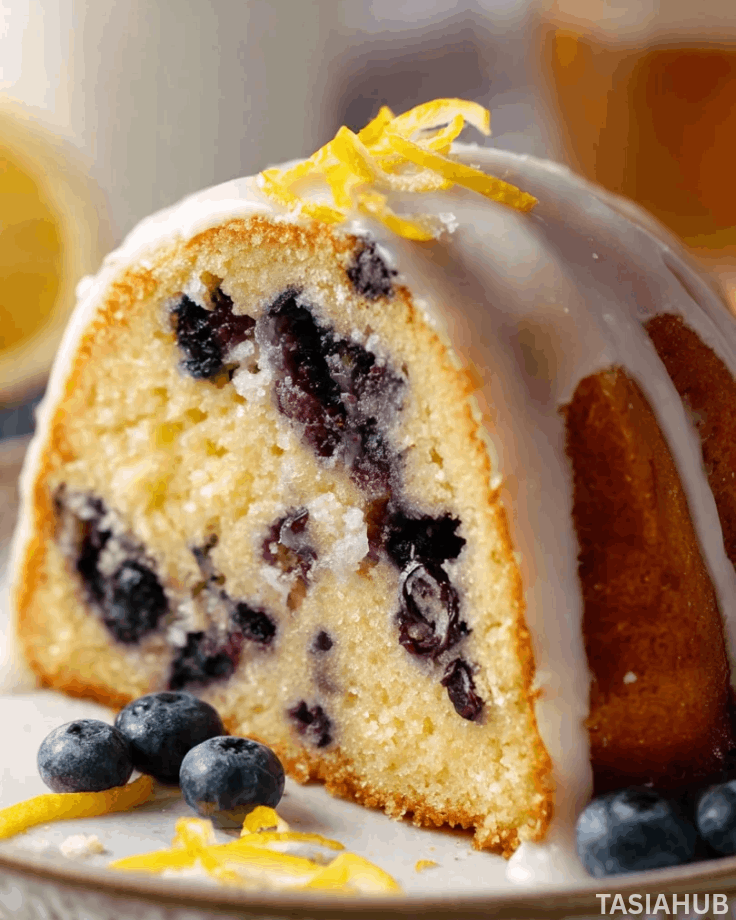
This lemon blueberry Bundt cake is the kind of bake that instantly brightens the room the moment it comes out of the oven. The citrusy aroma feels fresh and uplifting, while the burst of blueberries adds just the right amount of sweetness. It’s elegant enough to sit proudly at the center of a table, yet simple and comforting in a way that makes you want to cut a slice before it even cools.
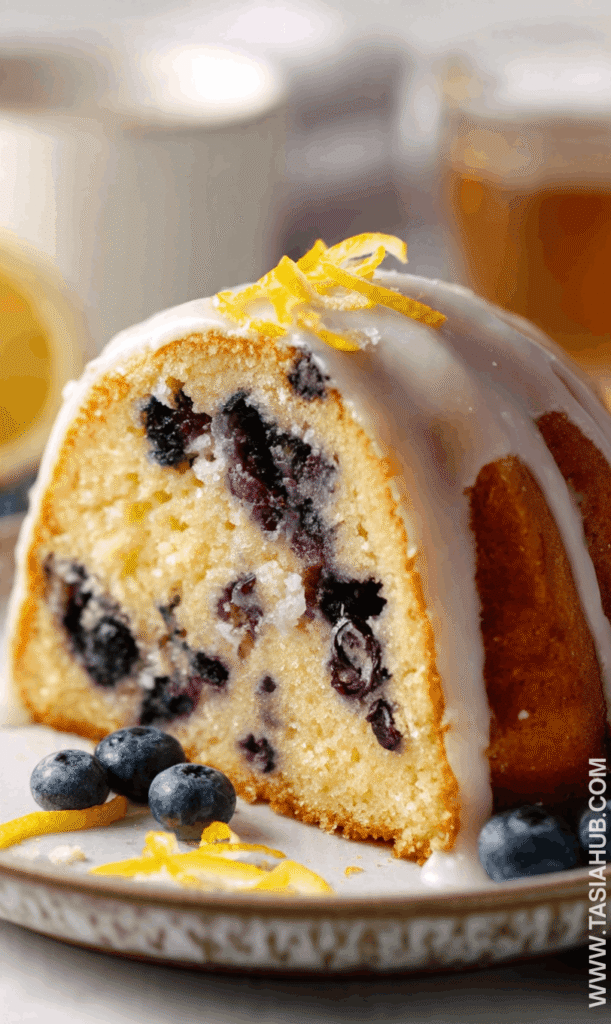
What I love most about this blueberry lemon cake is how balanced it tastes. The lemon flavor is vibrant without being sharp, and the blueberries melt into the batter as they bake, creating pockets of juicy goodness throughout. The result is a moist bundt cake with a soft crumb that stays tender for days, making it perfect for both planned gatherings and quiet moments with tea or coffee.
This cake also fits beautifully into spring celebrations. It works as a light yet satisfying Easter dessert, especially when you want something cheerful but not overly heavy. Served plain, dusted with powdered sugar, or finished with a simple lemon glaze, it always feels special without trying too hard.
Whether you’re baking it for guests or just because you’re craving something bright and homemade, this lemon bundt cake delivers every time. It’s the kind of recipe you come back to again and again, the one that slowly earns its place as a favorite Blieberry bundt cake in your collection.
Why You’ll Love It
- Bright, fresh flavor in every bite: The combination of lemon and blueberries creates a lively, refreshing taste that never feels heavy. It’s sweet, citrusy, and just tart enough to keep you going back for another slice.
- Soft, tender texture that stays moist: This isn’t the kind of cake that dries out by the next day. It bakes up with a rich, tender crumb that stays delicious even after a couple of days on the counter.
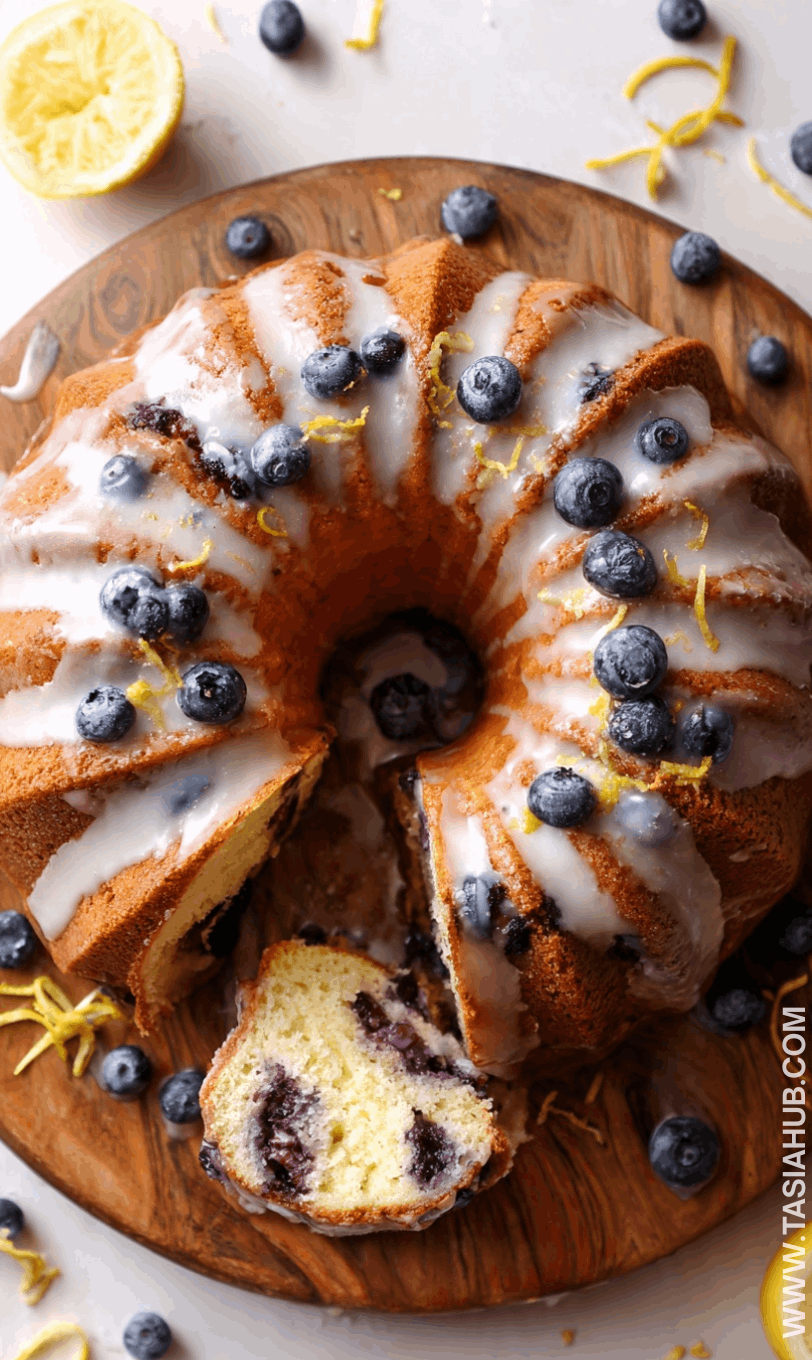
- Beautiful without extra effort: Thanks to the Bundt pan, the cake comes out looking elegant all on its own. A simple dusting of powdered sugar or a light glaze is all it needs to look bakery-worthy.
- Perfect for many occasions: It fits right in at spring brunches, casual get-togethers, or as a light Easter dessert. It’s festive enough for celebrations but easy enough for everyday baking.
- A reliable crowd-pleaser: Even people who aren’t big dessert fans tend to love this one. The flavors feel familiar and comforting, making it a safe yet impressive choice for sharing.
Ingredient List
For the cake
- 2½ cups all-purpose flour
- 2 teaspoons baking powder
- ½ teaspoon baking soda
- ½ teaspoon salt
- 1 cup unsalted butter, softened
- 1¾ cups granulated sugar
- 4 large eggs, room temperature
- ⅓ cup fresh lemon juice
- 1 tablespoon lemon zest
- ¾ cup sour cream
- 1½ teaspoons vanilla extract
- 1½ cups fresh blueberries
For the lemon glaze (optional)
- 1 cup powdered sugar
- 2–3 tablespoons fresh lemon juice
Ingredient Notes
- Fresh lemon juice & zest: Always use fresh lemons here—bottled juice just doesn’t give the same bright, clean flavor. The zest is where all that lemony aroma lives, so don’t skip it.
- Sour cream: This is the secret to that soft, tender crumb. I always use full-fat sour cream because it makes the cake extra rich and helps keep it moist for days.
- Blueberries: Fresh blueberries work best, but if you’re using frozen, don’t thaw them. Toss them lightly in flour before adding to the batter to help prevent sinking.
- Butter: Make sure it’s properly softened, not melted. Soft butter creams better with sugar and gives the cake a lighter texture.
- Powdered sugar for the glaze: Sift it if you can—it makes the glaze smooth and lump-free. A simple lemon glaze adds just the right finishing touch without overpowering the cake.
Kitchen Equipment Needed
- Bundt pan (10–12 cup capacity): Gives the cake its signature shape and helps it bake evenly. I love using a nonstick Bundt pan with detailed ridges because it makes the finished cake look extra beautiful.
- Mixing bowls: Used for separating dry and wet ingredients. I like having at least two medium-to-large bowls to keep the process organized.
- Hand mixer or stand mixer: Helps cream the butter and sugar properly for a light, fluffy batter. I personally reach for my hand mixer because it’s quick and easy to clean.
- Measuring cups and spoons: Ensures accurate ingredient amounts. I always use dry measuring cups for flour and sugar and separate spoons for smaller ingredients.
- Rubber spatula: Perfect for scraping down the bowl and gently folding in the blueberries without crushing them.
- Whisk: Helps evenly combine dry ingredients and smooth out the glaze. A simple balloon whisk works perfectly.
- Cooling rack: Allows the cake to cool evenly and prevents the bottom from getting soggy. I never skip this step—it really helps the texture stay just right.
- Zester or fine grater: Used for fresh lemon zest. A microplane zester is my favorite because it gives very fine, fragrant zest without the bitter white pith.
Instructions
1. Prep the Oven and Pan
- Preheat your oven to 350°F (175°C).
- Generously grease a 10–12 cup Bundt pan, making sure to get into every curve and crevice. Lightly dust with flour and tap out the excess.
Pro tip: A well-greased pan is non-negotiable for Bundt cakes. Take the extra minute—it saves heartbreak later.
2. Mix the Dry Ingredients
- In a medium bowl, whisk together the flour, baking powder, baking soda, and salt.
- Set aside so everything is evenly combined and ready to go.
Pro tip: Whisking now helps the cake rise evenly and prevents random salty or bitter bites.
3. Cream the Butter and Sugar
- In a large bowl, beat the softened butter and granulated sugar together until light and fluffy.
- This should take about 3–4 minutes with a mixer.
Pro tip: Don’t rush this step. Proper creaming adds air to the batter, which makes the cake soft instead of dense.
4. Add the Eggs
- Add the eggs one at a time, mixing well after each addition.
- Scrape down the sides of the bowl to keep everything evenly mixed.
Pro tip: Room-temperature eggs blend more smoothly and help prevent the batter from curdling.
5. Add the Lemon Flavor
- Mix in the lemon juice, lemon zest, and vanilla extract until fully combined.
- The batter may look slightly curdled at this stage—that’s totally normal.
6. Alternate Dry Ingredients and Sour Cream
- Add half of the dry ingredients to the batter and mix gently.
- Add the sour cream and mix just until combined.
- Finish with the remaining dry ingredients, mixing slowly.
Pro tip: Mix on low speed and stop as soon as everything comes together. Overmixing can make the cake tough.
7. Prepare and Fold in the Blueberries
- Toss the blueberries with 1 tablespoon of flour to lightly coat them.
- Gently fold them into the batter using a spatula.
Pro tip: Folding instead of mixing keeps the berries intact and prevents purple streaks.
8. Fill the Bundt Pan
- Spoon the batter evenly into the prepared pan.
- Smooth the top gently with a spatula.
9. Bake the Cake
- Bake for 45–55 minutes, or until a toothpick inserted comes out clean or with a few moist crumbs.
- The top should look golden and spring back lightly when touched.
Pro tip: Start checking at the 45-minute mark—oven temperatures can vary.
10. Cool and Release
- Let the cake cool in the pan for 15 minutes.
- Carefully invert onto a cooling rack and allow it to cool completely before glazing.
Pro tip: Releasing too early can cause sticking, but waiting too long can trap steam—15 minutes is the sweet spot.
11. Add the Glaze (Optional)
- Whisk powdered sugar and lemon juice until smooth and pourable.
- Drizzle over the cooled cake and let it set before slicing.
Pro tip: For a thicker glaze, use less lemon juice. For a lighter drizzle, add a few extra drops.
Tips and Tricks for Success
- Measure your flour correctly: Spoon the flour into your measuring cup and level it off. Scooping directly from the bag can pack in too much flour and make the cake dense.
- Use room-temperature ingredients: Butter, eggs, and sour cream blend more smoothly when they’re not cold, giving you a more even batter and better texture.
- Don’t overfill the Bundt pan: Fill it about ¾ full to give the cake room to rise without spilling over the edges.
- Check for doneness properly: A toothpick should come out clean or with a few moist crumbs—not wet batter. This ensures the cake stays tender, not underbaked.
- Let the cake cool fully before glazing: Glazing too early will cause it to melt and disappear into the cake instead of sitting nicely on top.
Ingredient Substitutions and Variations
- Greek yogurt instead of sour cream: Full-fat Greek yogurt works beautifully and keeps the cake just as moist.
- Frozen blueberries: Use them straight from the freezer and toss with flour first to prevent bleeding.
- Orange instead of lemon: Swap lemon juice and zest for orange for a warmer, slightly sweeter citrus flavor.
- Add a streusel swirl: Sprinkle a light cinnamon-sugar streusel into the middle of the batter for extra texture.
- Make it extra lemony: Add a few drops of lemon extract to the batter or brush the cake with warm lemon syrup before glazing.
- Glaze alternatives: Skip the lemon glaze and dust with powdered sugar, or drizzle with a simple vanilla glaze for a softer citrus finish.
Serving Suggestions
- With a light lemon glaze and fresh berries: I love serving this cake with a drizzle of lemon glaze and a handful of fresh blueberries on the side—it looks beautiful and makes each slice feel extra special.
- Alongside tea or coffee: A warm cup of tea or coffee pairs perfectly with the bright citrus flavor. This is my go-to way to enjoy a slice in the afternoon.
- As part of a brunch spread: Serve it with fresh fruit, yogurt, and eggs for a relaxed brunch. The cake adds just the right touch of sweetness without overpowering everything else.
- With whipped cream or vanilla ice cream: For dessert, a dollop of lightly sweetened whipped cream or a scoop of vanilla ice cream turns it into a simple but satisfying treat.
- Dressed up for spring celebrations: I love placing it on a cake stand with edible flowers or lemon slices—it instantly feels festive and works beautifully for Easter gatherings.
Storage and Reheating Instructions
- Room temperature storage: Store the cake in an airtight container at room temperature for up to 3 days. It stays soft and flavorful without needing refrigeration.
- Refrigerator storage: For longer storage, keep it covered in the fridge for up to 5 days. Let slices come to room temperature before serving for the best texture.
- Freezing the cake: Wrap individual slices or the whole cake tightly in plastic wrap, then foil. Freeze for up to 2 months.
- Reheating slices: Warm slices gently in the microwave for 10–15 seconds. This brings back that fresh-baked softness without drying it out.
Frequently Asked Questions
Can I make this cake ahead of time?
Yes! This cake actually tastes even better the next day. You can bake it a day in advance, store it covered at room temperature, and glaze it just before serving.
Can I use frozen blueberries?
Absolutely. Just add them straight from the freezer and toss them in a little flour first. This helps prevent them from sinking and bleeding into the batter.
Why did my Bundt cake stick to the pan?
This usually happens when the pan isn’t greased well enough. Make sure every groove is coated with butter or baking spray, and let the cake cool for about 15 minutes before turning it out.
Can I skip the glaze?
Of course. The cake is flavorful on its own and tastes great with just a dusting of powdered sugar—or even completely plain.
How do I keep the cake moist?
Using sour cream and not overbaking are key. Also, storing the cake properly in an airtight container helps lock in moisture.
Can I use a different pan?
You can, but baking times will vary. If using loaf or round pans, start checking for doneness earlier and adjust as needed.
Did you try this recipe? I’d love to hear how it turned out—leave a comment below and share your favorite way to serve it!
Lemon Blueberry Bundt Cake
Equipment
- Bundt pan (10–12 cup capacity)
- Mixing Bowls
- Hand mixer or stand mixer
- Measuring cups and spoons
- Rubber spatula
- Whisk
- Cooling Rack
- Zester or fine grater
Ingredients
For the cake
- 2½ cups all-purpose flour
- 2 teaspoons baking powder
- ½ teaspoon baking soda
- ½ teaspoon salt
- 1 cup unsalted butter softened
- 1¾ cups granulated sugar
- 4 large eggs room temperature
- ⅓ cup fresh lemon juice
- 1 tablespoon lemon zest
- ¾ cup sour cream
- 1½ teaspoons vanilla extract
- 1½ cups fresh blueberries
For the lemon glaze (optional)
- 1 cup powdered sugar
- 2 –3 tablespoons fresh lemon juice
Instructions
Prep the Oven and Pan
- Preheat your oven to 350°F (175°C).
- Generously grease a 10–12 cup Bundt pan, making sure to get into every curve and crevice. Lightly dust with flour and tap out the excess.
- Pro tip: A well-greased pan is non-negotiable for Bundt cakes. Take the extra minute—it saves heartbreak later.
Mix the Dry Ingredients
- In a medium bowl, whisk together the flour, baking powder, baking soda, and salt.
- Set aside so everything is evenly combined and ready to go.
- Pro tip: Whisking now helps the cake rise evenly and prevents random salty or bitter bites.
Cream the Butter and Sugar
- In a large bowl, beat the softened butter and granulated sugar together until light and fluffy.
- This should take about 3–4 minutes with a mixer.
- Pro tip: Don’t rush this step. Proper creaming adds air to the batter, which makes the cake soft instead of dense.
Add the Eggs
- Add the eggs one at a time, mixing well after each addition.
- Scrape down the sides of the bowl to keep everything evenly mixed.
- Pro tip: Room-temperature eggs blend more smoothly and help prevent the batter from curdling.
Add the Lemon Flavor
- Mix in the lemon juice, lemon zest, and vanilla extract until fully combined.
- The batter may look slightly curdled at this stage—that’s totally normal.
Alternate Dry Ingredients and Sour Cream
- Add half of the dry ingredients to the batter and mix gently.
- Add the sour cream and mix just until combined.
- Finish with the remaining dry ingredients, mixing slowly.
- Pro tip: Mix on low speed and stop as soon as everything comes together. Overmixing can make the cake tough.
Prepare and Fold in the Blueberries
- Toss the blueberries with 1 tablespoon of flour to lightly coat them.
- Gently fold them into the batter using a spatula.
- Pro tip: Folding instead of mixing keeps the berries intact and prevents purple streaks.
Fill the Bundt Pan
- Spoon the batter evenly into the prepared pan.
- Smooth the top gently with a spatula.
Bake the Cake
- Bake for 45–55 minutes, or until a toothpick inserted comes out clean or with a few moist crumbs.
- The top should look golden and spring back lightly when touched.
- Pro tip: Start checking at the 45-minute mark—oven temperatures can vary.
Cool and Release
- Let the cake cool in the pan for 15 minutes.
- Carefully invert onto a cooling rack and allow it to cool completely before glazing.
- Pro tip: Releasing too early can cause sticking, but waiting too long can trap steam—15 minutes is the sweet spot.
Add the Glaze (Optional)
- Whisk powdered sugar and lemon juice until smooth and pourable.
- Drizzle over the cooled cake and let it set before slicing.
- Pro tip: For a thicker glaze, use less lemon juice. For a lighter drizzle, add a few extra drops.
Notes
- Calories: 330 kcal
- Carbohydrates: 45 g
- Protein: 4 g
- Fat: 15 g
- Saturated Fat: 9 g
- Cholesterol: 75 mg
- Sodium: 180 mg
- Fiber: 1 g
- Sugars: 28 g