Honey Lavender Cake
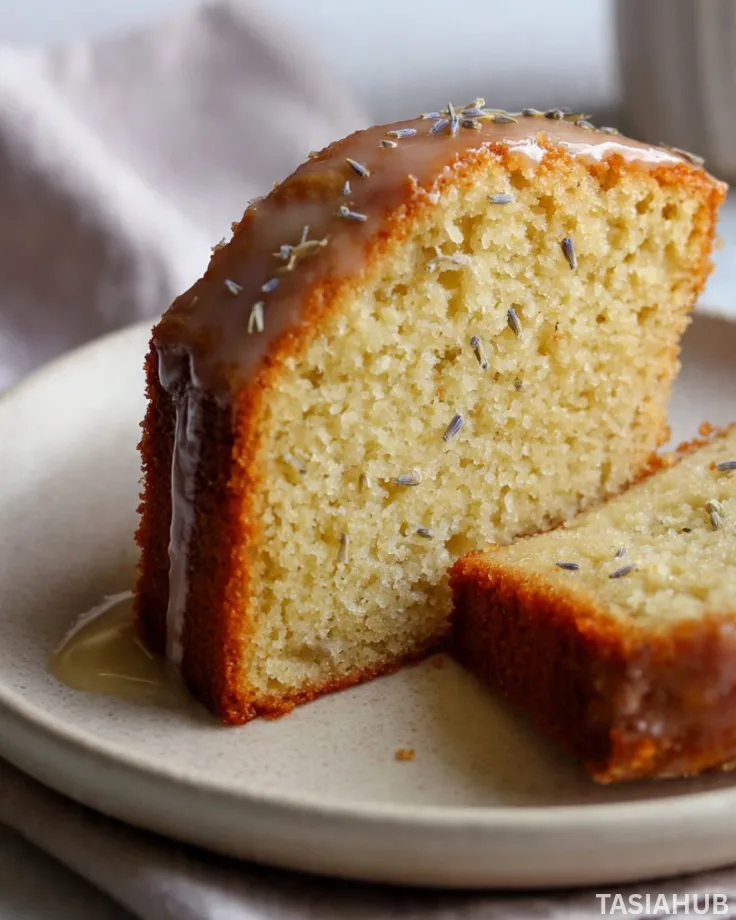
Honey and lavender pair in a way that feels both delicate and comforting. The floral notes of lavender complement the rich, natural sweetness of honey, creating a cake that’s fragrant, moist, and subtly elegant. Each bite feels like a small celebration of simple, natural flavors.
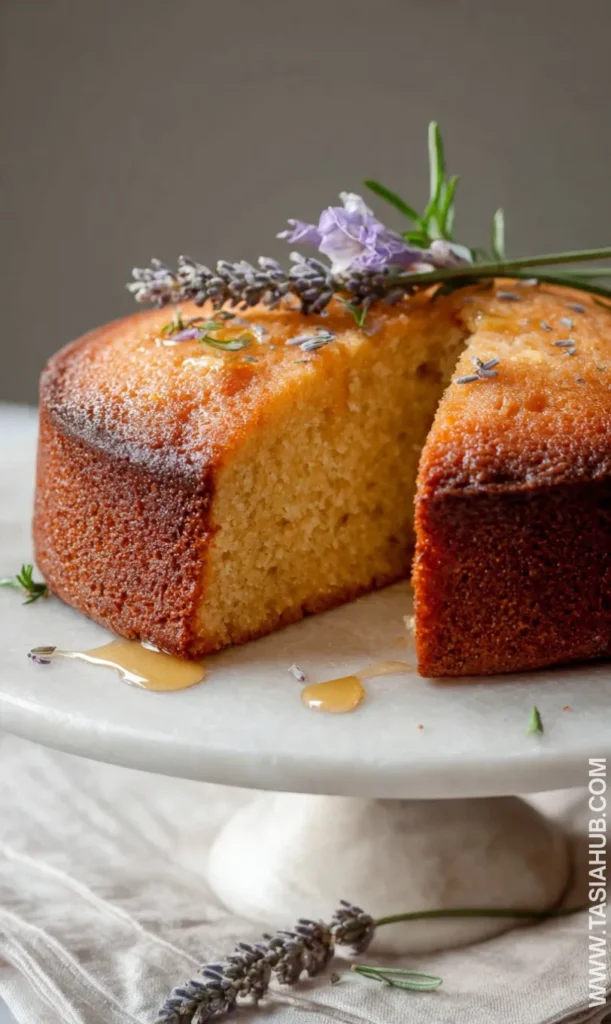
This lavender cake is perfect for afternoons when you want something special with your tea or coffee. Its golden hue, tender crumb, and lightly sweet honey flavor make it a treat that’s as beautiful as it is delicious. It’s the kind of cake that makes your kitchen smell heavenly while baking.
One of the best things about this honey lavender cake is how easy it is to prepare, even if you’ve never baked with lavender before. The lavender is used sparingly so it enhances the flavor without overwhelming it, and the honey adds a natural moisture that keeps the cake soft for days.
It’s also wonderfully versatile. You can enjoy it as a simple slice with tea, serve it at a brunch gathering, or even dress it up with a light glaze or whipped cream for a more elegant dessert. Once you try this combination, it’s likely to become a go-to recipe whenever you want something unique yet comforting.
Why You’ll Love It
- Delicate yet Distinctive Flavor: The honey adds a natural sweetness while the lavender brings a gentle floral aroma, creating a cake that’s memorable without being overpowering.
- Moist and Tender Texture: Thanks to the honey, every slice of this lavender cake stays soft and fluffy for days, making it perfect for both immediate enjoyment and later indulgence.
- Versatile for Any Occasion: Whether it’s an afternoon tea, a brunch spread, or a special dessert for guests, this cake fits beautifully into any setting.
- Simple Ingredients, Big Impact: You don’t need fancy pantry items—just common baking ingredients, a touch of honey, and culinary lavender to create a cake that feels luxurious.
- Aromatic Baking Experience: Beyond taste, baking this cake fills your kitchen with a comforting floral sweetness that makes the whole process a treat in itself.
Ingredient List
For the Cake:
- 2 ½ cups all-purpose flour
- 2 tsp baking powder
- ½ tsp baking soda
- ½ tsp salt
- ¾ cup unsalted butter, softened
- ¾ cup honey (I love using clover honey—it’s mild and golden!)
- ¾ cup granulated sugar
- 3 large eggs
- 1 tsp vanilla extract
- 1 cup buttermilk
- 2 tsp culinary lavender, finely chopped
For the Honey Glaze (Optional):
- ¼ cup honey
- 2 tbsp warm water
Ingredient Notes
- Culinary Lavender: Make sure it’s culinary-grade, not the craft kind—they can be bitter. I always use dried French lavender; it’s fragrant and subtle.
- Honey: Using a mild honey, like clover or orange blossom, keeps the flavor light and doesn’t overpower the lavender.
- Buttermilk: Adds a tender, moist crumb. Don’t skip it! You can even make your own by adding 1 tbsp lemon juice to 1 cup milk.
- Butter: Unsalted is best so you can control sweetness, and it gives the cake a rich, buttery texture.
Kitchen Equipment Needed
- Mixing Bowls: For combining wet and dry ingredients separately—I love using a set of glass bowls because they’re easy to see into.
- Electric Mixer or Stand Mixer: Makes creaming butter and sugar effortless; a hand mixer works great too.
- Measuring Cups & Spoons: For accuracy—my favorite are stainless steel ones that last forever.
- Whisk: Helps blend dry ingredients and ensures the batter is smooth.
- Spatula: Perfect for folding in lavender and scraping the bowl.
- 9-inch Round Cake Pan: The standard size gives a nice height to the cake. I always grease and line it with parchment for easy release.
- Cooling Rack: To cool the cake evenly and avoid soggy bottoms.
- Small Bowl: For mixing the optional honey glaze before drizzling.
Instructions
Step 1: Prep Your Ingredients and Pan
- Preheat your oven to 350°F (175°C).
- Grease a 9-inch round cake pan and line the bottom with parchment paper.
- Measure out all ingredients to have them ready—this makes the process smoother.
Pro Tip: I like to lightly flour the pan after greasing to prevent sticking, especially with honey cakes—they can be sticky.
Step 2: Mix Dry Ingredients
- In a medium bowl, whisk together 2 ½ cups flour, 2 tsp baking powder, ½ tsp baking soda, and ½ tsp salt.
- Stir in 2 tsp finely chopped culinary lavender so it’s evenly distributed.
Pro Tip: Whisk continuously to prevent lavender clumps. This helps the floral flavor infuse evenly throughout the cake.
Step 3: Cream Butter, Honey, and Sugar
- In a large bowl, use an electric mixer to cream ¾ cup softened butter, ¾ cup honey, and ¾ cup granulated sugar until light and fluffy (about 3–4 minutes).
- Scrape down the sides of the bowl with a spatula to ensure everything is well mixed.
Pro Tip: Don’t rush this step—creaming incorporates air, giving your cake a tender crumb.
Step 4: Add Eggs and Vanilla
- Beat in 3 large eggs, one at a time, making sure each egg is fully incorporated before adding the next.
- Mix in 1 tsp vanilla extract.
Pro Tip: Room temperature eggs blend better and prevent the batter from curdling.
Step 5: Combine Wet and Dry Ingredients
- Alternately add the dry ingredients and 1 cup buttermilk to the butter mixture, starting and ending with dry ingredients.
- Mix gently on low speed or fold with a spatula until just combined.
Pro Tip: Overmixing can make the cake dense, so stop as soon as there are no streaks of flour.
Step 6: Bake the Cake
- Pour the batter into the prepared cake pan and smooth the top with a spatula.
- Bake for 35–40 minutes, or until a toothpick inserted in the center comes out clean.
Pro Tip: Check the cake at 35 minutes—ovens vary, and you don’t want it to dry out.
Step 7: Cool and Glaze
- Let the cake cool in the pan for 10 minutes, then transfer it to a cooling rack.
- If using the honey glaze, mix ¼ cup honey with 2 tbsp warm water and drizzle over the top while the cake is slightly warm.
Pro Tip: Drizzling warm glaze allows it to seep slightly into the cake for extra moisture and flavor.
Tips and Tricks for Success
- Use Culinary-Grade Lavender Only: Regular craft lavender can taste bitter, so stick with culinary lavender for the best flavor.
- Room Temperature Ingredients: Butter, eggs, and buttermilk mix more evenly at room temperature, giving a smoother batter.
- Don’t Overmix: Once you combine wet and dry ingredients, fold gently to keep the cake light and tender.
- Check Oven Early: Start checking for doneness at 35 minutes—every oven is different, and honey cakes can dry out if baked too long.
- Cool Properly: Let the cake cool in the pan for 10 minutes before transferring to a rack—this prevents it from breaking.
Ingredient Substitutions and Variations
- Honey: Swap for maple syrup or agave for a different natural sweetness.
- Buttermilk: Use plain yogurt or milk with a teaspoon of lemon juice as a substitute.
- Lavender: Try adding a touch of dried rose petals or chamomile for a different floral note.
- Glaze: Replace honey glaze with a light lemon glaze for a citrus twist.
- Butter: For a dairy-free version, use vegan butter or coconut oil.
Serving Suggestions
- Serve a slice of honey lavender cake with a cup of Earl Grey or chamomile tea—it enhances the floral notes beautifully.
- Top with a dollop of lightly whipped cream and fresh berries for an elegant dessert presentation.
- Pair with a scoop of vanilla or lavender ice cream for a sweet, refreshing treat in warmer months.
- Enjoy it simply on its own with a drizzle of extra honey—I love this for a cozy afternoon snack with a good book.
- Slice and serve alongside a brunch spread with fruit salad and light pastries—it adds a sophisticated touch without being too heavy.
Storage and Reheating Instructions
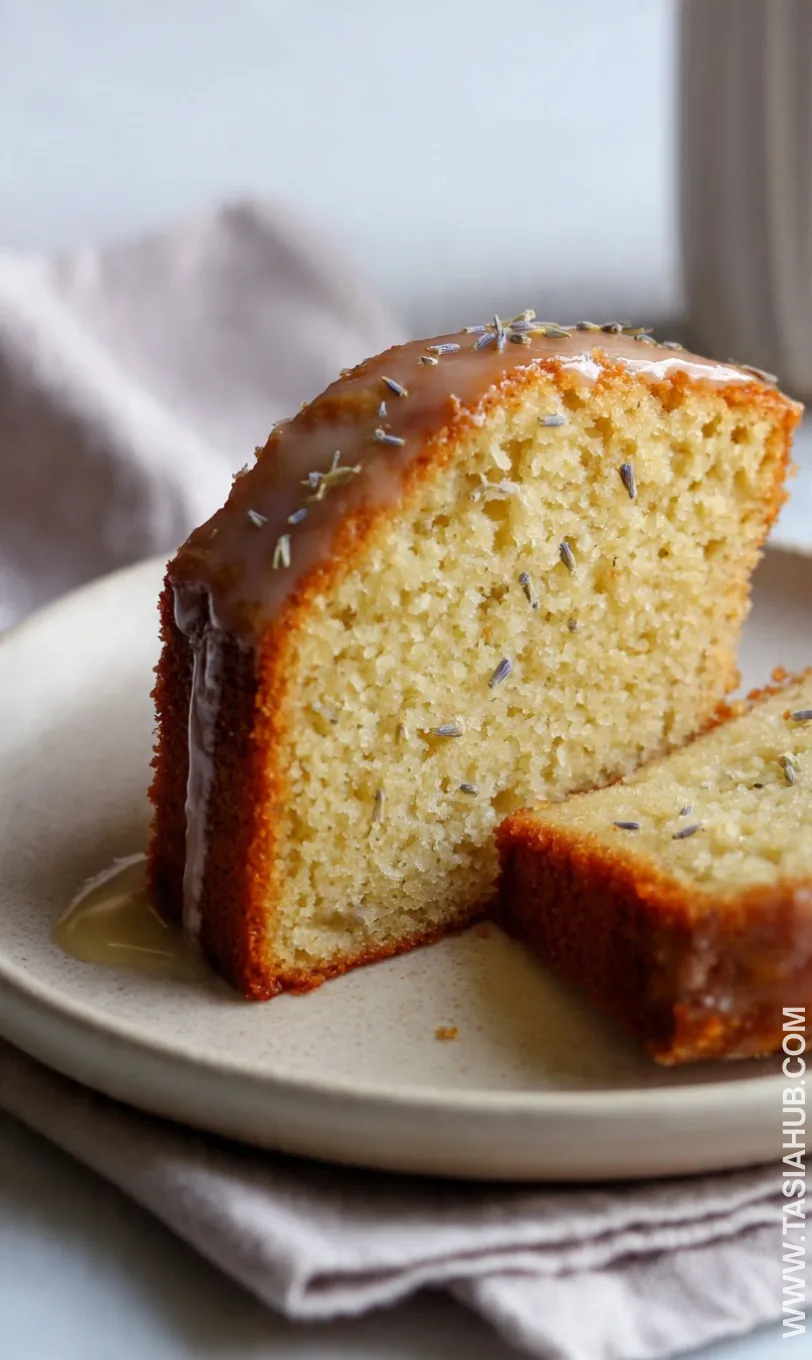
- Room Temperature: Store in an airtight container for up to 3 days to keep it soft and fragrant.
- Refrigerator: Wrap in plastic wrap or store in an airtight container for up to 5 days. Bring to room temperature before serving for best flavor.
- Freezer: Wrap tightly in plastic wrap and foil, then freeze for up to 2 months. Thaw overnight in the fridge.
- Reheating: Warm slices gently in the microwave for 10–15 seconds or in a 300°F (150°C) oven for 5–7 minutes. Avoid overheating to keep the cake moist.
Frequently Asked Questions
Can I use regular lavender instead of culinary lavender?
No—craft or non-culinary lavender can taste bitter. Always use culinary-grade lavender for the best flavor.
Can I make this cake vegan or dairy-free?
Yes! Swap butter with vegan butter or coconut oil, and use plant-based milk with a splash of lemon juice instead of buttermilk.
How do I know when the cake is done?
Insert a toothpick into the center—if it comes out clean or with a few crumbs, the cake is ready.
Can I add more honey for extra sweetness?
You can, but be careful—too much honey can make the cake dense or overly sticky. Stick close to the recipe for best results.
Can I bake this in a different pan size?
Yes, but adjust baking time. A smaller pan will take longer; a larger pan will bake faster. Keep an eye on it to prevent overbaking.
How long does the cake stay fresh?
At room temperature, up to 3 days; in the fridge, up to 5 days; frozen for up to 2 months.
Did you try this honey lavender cake? Let me know in the comments how it turned out! I love hearing your baking successes and any tweaks you made.
Honey Lavender Cake
Equipment
- Mixing Bowls
- Electric mixer or stand mixer
- Measuring Cups & Spoons
- Whisk
- Spatula
- 9-inch round cake pan
- Cooling Rack
- Small bowl
Ingredients
For the Cake:
- 2 ½ cups all-purpose flour
- 2 tsp baking powder
- ½ tsp baking soda
- ½ tsp salt
- ¾ cup unsalted butter softened
- ¾ cup honey I love using clover honey—it’s mild and golden!
- ¾ cup granulated sugar
- 3 large eggs
- 1 tsp vanilla extract
- 1 cup buttermilk
- 2 tsp culinary lavender finely chopped
For the Honey Glaze (Optional):
- ¼ cup honey
- 2 tbsp warm water
Instructions
Step 1: Prep Your Ingredients and Pan
- Preheat your oven to 350°F (175°C).
- Grease a 9-inch round cake pan and line the bottom with parchment paper.
- Measure out all ingredients to have them ready—this makes the process smoother.
- Pro Tip: I like to lightly flour the pan after greasing to prevent sticking, especially with honey cakes—they can be sticky.
Step 2: Mix Dry Ingredients
- In a medium bowl, whisk together 2 ½ cups flour, 2 tsp baking powder, ½ tsp baking soda, and ½ tsp salt.
- Stir in 2 tsp finely chopped culinary lavender so it’s evenly distributed.
- Pro Tip: Whisk continuously to prevent lavender clumps. This helps the floral flavor infuse evenly throughout the cake.
Step 3: Cream Butter, Honey, and Sugar
- In a large bowl, use an electric mixer to cream ¾ cup softened butter, ¾ cup honey, and ¾ cup granulated sugar until light and fluffy (about 3–4 minutes).
- Scrape down the sides of the bowl with a spatula to ensure everything is well mixed.
- Pro Tip: Don’t rush this step—creaming incorporates air, giving your cake a tender crumb.
Step 4: Add Eggs and Vanilla
- Beat in 3 large eggs, one at a time, making sure each egg is fully incorporated before adding the next.
- Mix in 1 tsp vanilla extract.
- Pro Tip: Room temperature eggs blend better and prevent the batter from curdling.
Step 5: Combine Wet and Dry Ingredients
- Alternately add the dry ingredients and 1 cup buttermilk to the butter mixture, starting and ending with dry ingredients.
- Mix gently on low speed or fold with a spatula until just combined.
- Pro Tip: Overmixing can make the cake dense, so stop as soon as there are no streaks of flour.
Step 6: Bake the Cake
- Pour the batter into the prepared cake pan and smooth the top with a spatula.
- Bake for 35–40 minutes, or until a toothpick inserted in the center comes out clean.
- Pro Tip: Check the cake at 35 minutes—ovens vary, and you don’t want it to dry out.
Step 7: Cool and Glaze
- Let the cake cool in the pan for 10 minutes, then transfer it to a cooling rack.
- If using the honey glaze, mix ¼ cup honey with 2 tbsp warm water and drizzle over the top while the cake is slightly warm.
- Pro Tip: Drizzling warm glaze allows it to seep slightly into the cake for extra moisture and flavor.
Notes
- Calories: 280–300 kcal
- Carbohydrates: 42 g
- Sugars: 25 g
- Fat: 12 g
- Saturated Fat: 7 g
- Protein: 4 g
- Fiber: 1 g
- Sodium: 180 mg