Delicious Homemade Ramen
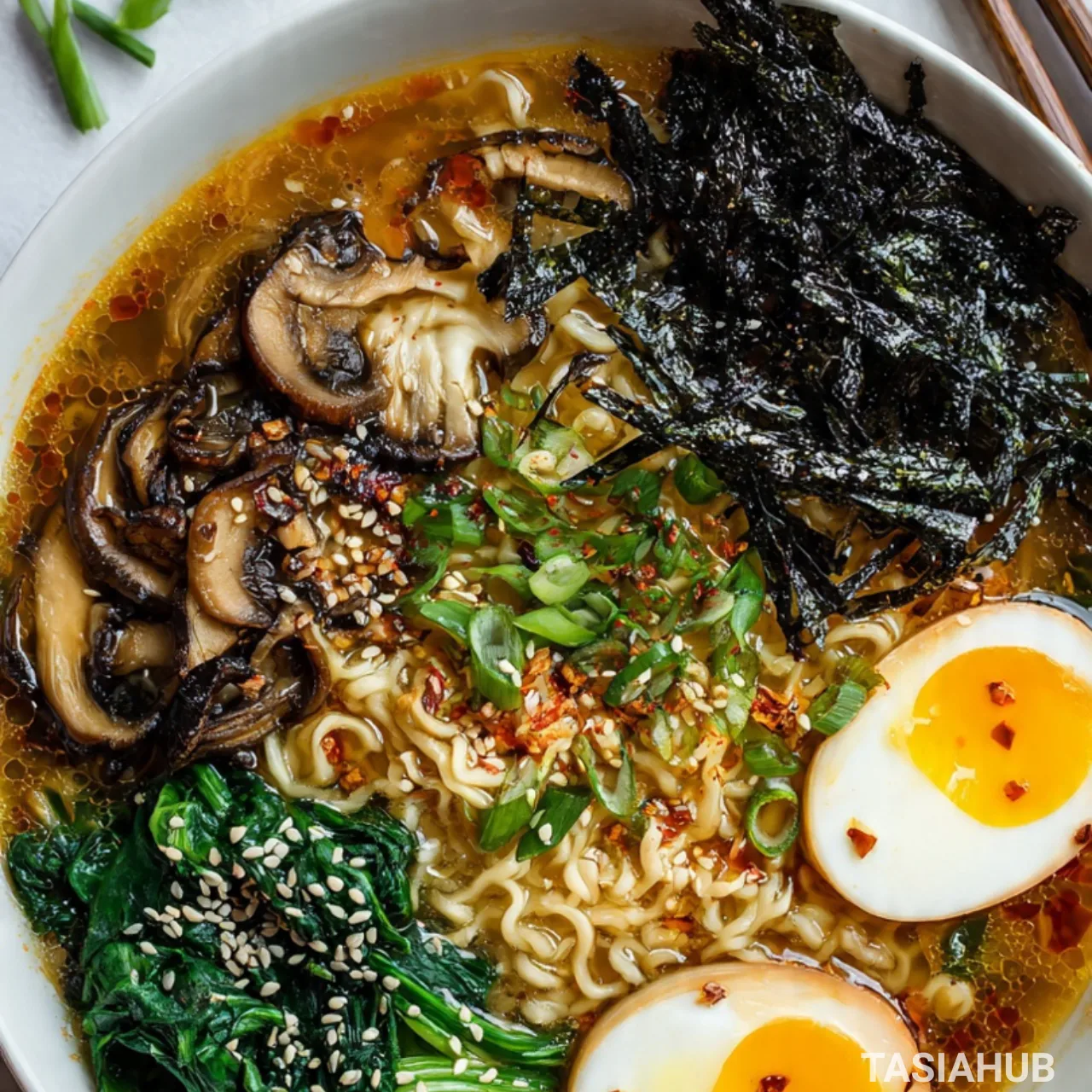
Ramen isn’t just a meal—it’s an experience. Crafting your own ramen bowl at home brings a cozy warmth that fast-food options can’t touch. From the delicate noodles to the rich, savory broth, every component plays a role in creating a comforting dish that satisfies both the stomach and the soul.
Making ramen at home might sound intimidating at first, but it’s surprisingly doable. By breaking it down step by step, you can learn how to make the best ramen without spending hours in the kitchen. This diy ramen approach gives you complete control over flavors, textures, and ingredients, so every bowl is perfectly tailored to your taste.
This post contains affiliate links and I may earn a small commission when you click on the link at no additional cost to you. As an Amazon Affiliate, I earn from qualifying purchases, thank you.
The heart of any great ramen lies in its broth. Whether you prefer a deeply savory pork-based broth, a lighter chicken version, or a vegetarian-friendly alternative, mastering ramen broth transforms your soup from simple noodles in liquid to the best ramen soup you’ve ever had. Once you get the hang of balancing flavors, making authentic ramen at home becomes a truly rewarding experience.
And the best part? Easy ramen at home doesn’t mean sacrificing flavor. With a few simple ingredients, some basic techniques, and a little patience, you can serve up a steaming bowl that rivals your favorite ramen restaurant. It’s comforting, fun to make, and a wonderful way to experiment with toppings, spices, and noodles to make your perfect ramen bowl.
Why You’ll Love It
- Completely Customizable: You control every element—from the richness of the ramen broth to the toppings and noodles—so every bowl is exactly how you like it.
- Restaurant-Quality at Home: You can create a ramen bowl that tastes just as satisfying as your favorite ramen spot, without leaving the house or waiting in line.
- Comfort in a Bowl: There’s a soothing, cozy feeling that comes with slurping noodles from a steaming bowl of homemade soup—perfect for chilly evenings or a self-care meal.
- Fun and Creative: Experimenting with toppings like soft-boiled eggs, mushrooms, or fresh greens turns the process into a mini culinary adventure.
- Easy to Make Your Own: Even if you’ve never made ramen before, this diy ramen method is straightforward, giving you confidence to make authentic ramen anytime.
Ingredient List
For the Broth:
- 6 cups chicken or vegetable stock
- 2 cups water
- 2 cloves garlic, minced
- 1-inch piece fresh ginger, sliced
- 2 tablespoons soy sauce
- 1 tablespoon miso paste
- 1 teaspoon sesame oil
- 1 teaspoon chili oil (optional, for a little kick)
For the Noodles and Toppings:
- 200g fresh or dried ramen noodles
- 2 soft-boiled eggs
- 1 cup sliced mushrooms (shiitake or button)
- 1 cup baby spinach or bok choy
- 2 green onions, chopped
- 1 sheet nori, cut into strips
- Sesame seeds for garnish
Ingredient Notes
- I always use fresh ginger for the broth—it adds a brightness you just can’t get from powdered ginger.
- Don’t skip the miso paste! It gives your ramen broth that rich, savory depth that makes it taste authentic.
- Soft-boiled eggs are a game-changer. I like them slightly runny—it adds creaminess to every spoonful.
- Ramen noodles matter! Fresh noodles are my go-to, but dried works perfectly if that’s what you have on hand.
- A little sesame oil goes a long way—just a drizzle at the end boosts the flavor instantly.
Kitchen Equipment Needed
- Large pot – For simmering the broth.
- Medium saucepan – To boil the ramen noodles.
- Small skillet or frying pan – For sautéing mushrooms or other toppings.
- Knife and cutting board – For slicing vegetables, protein, and garnishes.
- Ladle – For serving the broth.
- Strainer or colander – To drain cooked noodles.
- Tongs or chopsticks – For handling noodles and toppings.
- Grater – To grate ginger.
- Measuring spoons and cups – For accurate ingredient measurements.
- Serving bowls – Deep bowls for assembling and serving the ramen.
Instructions
Step 1: Prepare the Broth
- In a large pot, combine chicken or vegetable stock with 2 cups of water.
- Add minced garlic and sliced ginger to the pot.
- Bring the mixture to a gentle simmer over medium heat.
- Pro Tip: Don’t let it boil rapidly—gentle simmering keeps the flavors balanced.
- Stir in soy sauce, miso paste, sesame oil, and chili oil (if using).
- Simmer for 20–25 minutes, allowing the flavors to meld beautifully.
Step 2: Cook the Noodles
- Bring a medium saucepan of water to a rolling boil.
- Add the ramen noodles and cook according to package instructions (usually 2–4 minutes for fresh noodles, 4–6 minutes for dried).
- Pro Tip: Taste a strand a minute before the time’s up—you want them just tender, not mushy.
- Drain the noodles and rinse briefly under cold water to stop cooking. Set aside.
Step 3: Prepare Toppings
- Soft-boil eggs: In a small pot, cover eggs with water and bring to a boil. Reduce heat and simmer for 6–7 minutes. Immediately transfer to ice water and peel.
- Slice mushrooms and lightly sauté in a teaspoon of sesame oil until tender (optional, for extra flavor).
- Chop green onions and wash your greens (spinach or bok choy).
Step 4: Assemble Your Ramen Bowl
- Divide noodles evenly among serving bowls.
- Pour the hot ramen broth over the noodles, making sure each bowl gets plenty of liquid.
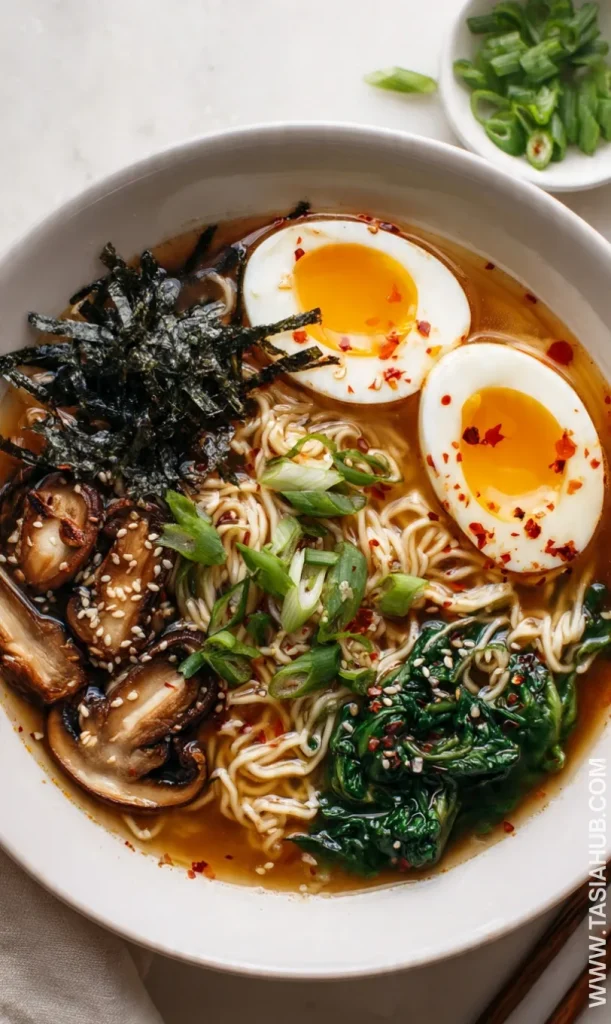
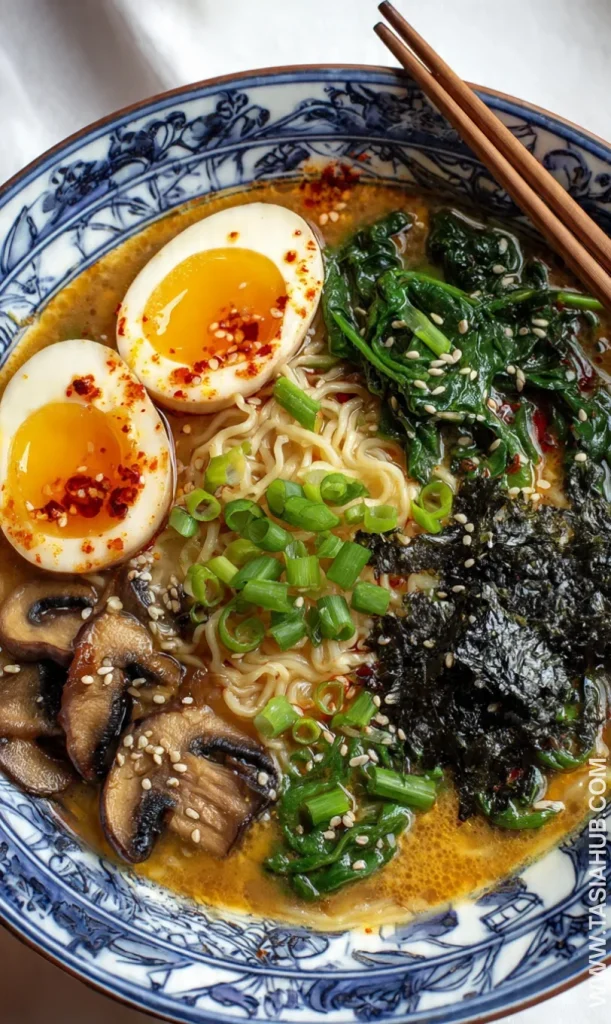
- Arrange toppings: halved soft-boiled eggs, sautéed mushrooms, greens, nori strips, and a sprinkle of sesame seeds.
- Pro Tip: For a restaurant-style look, place the eggs and vegetables neatly on top rather than mixing everything in.
Step 5: Final Touches
- Drizzle a little extra sesame oil or chili oil on top if desired.
- Serve immediately while hot.
- Grab chopsticks or a fork, and enjoy every comforting, flavorful bite of your homemade ramen.
Tips and Tricks for Success
- Simmer Gently: Keep your ramen broth at a gentle simmer to prevent bitterness and maintain depth of flavor.
- Taste as You Go: Adjust soy sauce, miso, or chili oil gradually to suit your preferred saltiness and spice.
- Prep Ahead: You can make the broth a day in advance—it actually tastes richer after resting overnight.
- Don’t Overcook Noodles: Always cook noodles separately and just until tender to keep them from getting mushy in the broth.
- Soft-Boiled Egg Perfection: Use an ice bath immediately after boiling to stop cooking and make peeling easier.
Ingredient Substitutions and Variations
- Broth Base: Use beef or pork stock instead of chicken/vegetable for a richer flavor.
- Miso Paste: White miso can be swapped with red miso for a deeper, slightly saltier taste.
- Noodles: Udon or soba noodles work in a pinch, though ramen noodles are ideal.
- Protein Options: Add sliced chicken, tofu, or shrimp instead of eggs for variety.
- Spice Level: Adjust chili oil or add sriracha to customize the heat to your liking.
- Vegetables: Substitute bok choy with spinach, napa cabbage, or even shredded carrots for a colorful twist.
Serving Suggestions
- I love serving this ramen bowl with a side of crispy gyoza—the crunch contrasts beautifully with the silky noodles.
- Pair your ramen with steamed edamame for a light, protein-packed snack that complements the soup.
- A drizzle of extra sesame oil and a sprinkle of chili flakes on top makes each bite more flavorful and aromatic.
- Serve alongside a small cucumber salad—its freshness cuts through the richness of the broth.
- For a cozy solo meal, I sometimes add extra soft-boiled egg halves for indulgence—it makes the bowl feel extra special.
Storage and Reheating Instructions
- Broth: Store in an airtight container in the fridge for up to 3 days. Reheat gently over low heat.
- Noodles: Keep cooked noodles separate from broth to prevent sogginess. Reheat briefly in boiling water before serving.
- Toppings: Soft-boiled eggs and vegetables are best fresh, but you can store eggs in the fridge for 2 days and greens separately.
- Assembling Later: Combine warmed broth and noodles only when ready to eat for the best texture and flavor.
- Freezing: Broth freezes well for up to 2 months; defrost overnight in the fridge and reheat gently.
See Also >>>>> Ground Beef Mongolian Noodles
Frequently Asked Questions
How long does homemade ramen broth take to make?
Simmering the broth takes about 20–25 minutes for a flavorful base. If you have time, letting it rest overnight intensifies the taste.
Can I use store-bought broth instead of making my own?
Absolutely! Store-bought broth works well for easy ramen at home. Just add a bit of miso, soy sauce, and sesame oil to boost the flavor.
What’s the best way to cook ramen noodles?
Cook noodles separately in boiling water until just tender, then drain and rinse briefly. This keeps them from getting mushy in the broth.
Can I make this ramen vegetarian?
Yes! Use vegetable stock and skip the eggs or add tofu for protein. Mushrooms and greens add plenty of savory depth.
How do I store leftover ramen?
Keep noodles and broth separate in the fridge. Broth lasts up to 3 days, and noodles can be reheated briefly before serving.
Can I freeze ramen broth?
Yes! Broth freezes well for up to 2 months. Defrost in the fridge overnight and reheat gently before serving.
Did you try this recipe? Let me know in the comments how it turned out! I love hearing your tweaks, favorite toppings, and creative variations.
Homemade Ramen Recipe
Equipment
- Large pot
- Medium saucepan
- Fine-Mesh Strainer
- Ladle
- Chef’s knife
- Measuring spoons & cups
- Slotted spoon or tongs
Ingredients
For the Broth:
- 6 cups chicken or vegetable stock
- 2 cups water
- 2 cloves garlic minced
- 1- inch piece fresh ginger sliced
- 2 tablespoons soy sauce
- 1 tablespoon miso paste
- 1 teaspoon sesame oil
- 1 teaspoon chili oil optional, for a little kick
For the Noodles and Toppings:
- 200 g fresh or dried ramen noodles
- 2 soft-boiled eggs
- 1 cup sliced mushrooms shiitake or button
- 1 cup baby spinach or bok choy
- 2 green onions chopped
- 1 sheet nori cut into strips
- Sesame seeds for garnish
Instructions
Step 1: Prepare the Broth
- In a large pot, combine chicken or vegetable stock with 2 cups of water.
- Add minced garlic and sliced ginger to the pot.
- Bring the mixture to a gentle simmer over medium heat.
- Pro Tip: Don’t let it boil rapidly—gentle simmering keeps the flavors balanced.
- Stir in soy sauce, miso paste, sesame oil, and chili oil (if using).
- Simmer for 20–25 minutes, allowing the flavors to meld beautifully.
Step 2: Cook the Noodles
- Bring a medium saucepan of water to a rolling boil.
- Add the ramen noodles and cook according to package instructions (usually 2–4 minutes for fresh noodles, 4–6 minutes for dried).
- Pro Tip: Taste a strand a minute before the time’s up—you want them just tender, not mushy.
- Drain the noodles and rinse briefly under cold water to stop cooking. Set aside.
Step 3: Prepare Toppings
- Soft-boil eggs: In a small pot, cover eggs with water and bring to a boil. Reduce heat and simmer for 6–7 minutes. Immediately transfer to ice water and peel.
- Slice mushrooms and lightly sauté in a teaspoon of sesame oil until tender (optional, for extra flavor).
- Chop green onions and wash your greens (spinach or bok choy).
Step 4: Assemble Your Ramen Bowl
- Divide noodles evenly among serving bowls.
- Pour the hot ramen broth over the noodles, making sure each bowl gets plenty of liquid.
- Arrange toppings: halved soft-boiled eggs, sautéed mushrooms, greens, nori strips, and a sprinkle of sesame seeds.
- Pro Tip: For a restaurant-style look, place the eggs and vegetables neatly on top rather than mixing everything in.
Step 5: Final Touches
- Drizzle a little extra sesame oil or chili oil on top if desired.
- Serve immediately while hot.
- Grab chopsticks or a fork, and enjoy every comforting, flavorful bite of your homemade ramen.
Notes
Nutritional Value (Per Serving – Approximate)
- Calories: 420–480
- Protein: 18–22g
- Carbohydrates: 50–55g
- Fat: 14–18g
- Fiber: 3–5g
- Sodium: 1600–1900mg
- Sugar: 3–4g
My family loves Ramen. Definitely will try this recipe.
They will definitely love this!
looks like a great week day recipe. I will add this to my meal prep list.
You should! It’s definitely delicious.
These cravings have been hitting hard lately but I can’t seem to get ramen right! I’ll have to try this one!
With these simple steps, your ramen will turn out good all the time
Ramen is one of my comfort foods, I can’t wait to try your recipe. It looks delicious. Thanks for sharing!
That’s good to know! Let me know how it turns out when you do.
Looks tasty!!!!!
It is!
We’re trying this recipe tonight. Thank you!
Let me know how it turned out!
This looks great! Clear, engaging, and makes me want to try making ramen at home. 🍜👏
You should try it some day, it’s delicious!
Thanks for the recipe. Can’t wait to make this vegan by using vegetable broth!
Yes you can customise it to suit your needs, let me know how it turned out.
Never made raman but adore it. Can’t wait to try this!
Ramen is delicious! You should try it some time.
Fabulous! I love ramen. I’m always looking for new recipes to try. This will be a new favorite.
I’m so happy to hear that!
My family loved ramen but I have yet to make it homemade. This looks delicious and fairly easy to make too. I’ll be giving this a try next time we want ramen.
Oh please do! It’s simple to make and delicious.
this sounds so good! I’m sure my daughter would love it!
She will!
Homemade ramen is such a labor of love! I love how the right ingredients and techniques can truly transport you to Japan. Can’t wait to try out your tips—nothing beats a bowl of rich, flavorful ramen made from scratch!
Yes nothing! Thanks for sharing your thoughts.
Love this delicious and nutritious recipe.
Glad to know that. Hope you try it.