Glazed Easter Ham
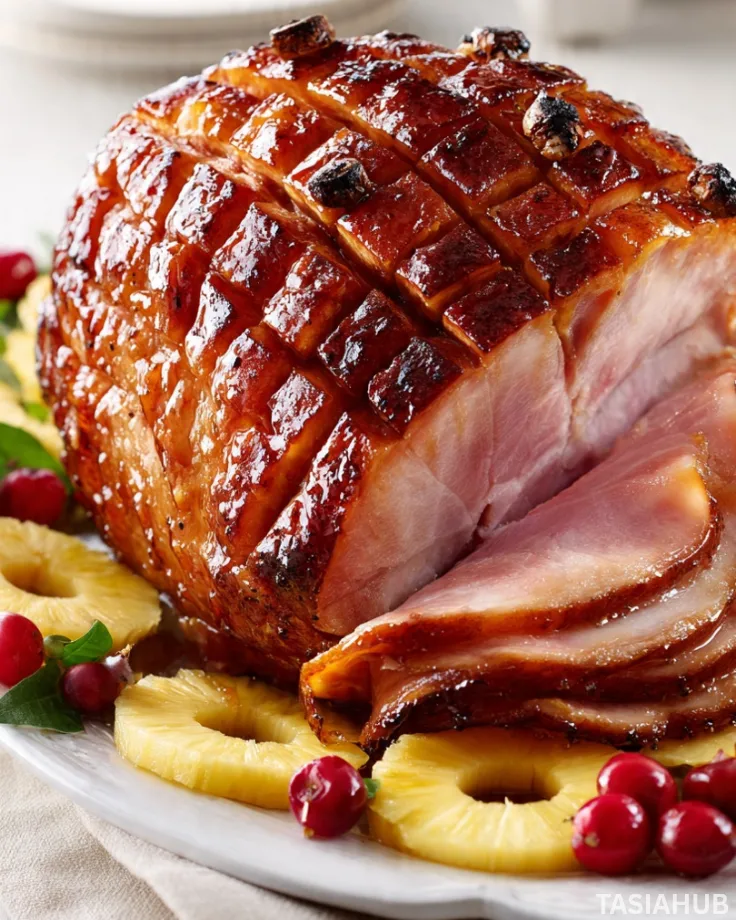
Spring brings a sense of renewal, fresh flavors, and of course, the joy of gathering around a table with family and friends. One dish that almost always takes center stage at Easter celebrations is a beautifully cooked ham. Its sweet, savory aroma fills the kitchen, promising a meal that’s both comforting and celebratory. Preparing a ham for Easter isn’t just about the food—it’s about creating a centerpiece that brings everyone together.
An Easter ham dinner is more than just a main course; it’s a symbol of tradition. Many families have their own ways of preparing it, from classic brown sugar glazes to mustard and honey coatings, and every version has its own loyal fans. The beauty of this dish is its versatility—you can make it simple or dress it up with fruits, herbs, and spices to match your holiday vibe.
What makes an Easter meat dish truly special is how it pairs with the rest of your spread. Roasted vegetables, scalloped potatoes, or a crisp green salad all complement the richness of the ham. Even a fresh fruit platter adds a pop of color and flavor that brightens the table. And don’t forget the sauces—pineapple, cherry, or maple glazes bring a delicious balance to each bite.
This Easter food tradition is perfect for creating memories. Kids and adults alike love the presentation, whether it’s sliced and served on a platter or carved at the table for a dramatic, mouthwatering reveal. With the right preparation and a little attention to detail, your Easter ham can be the highlight of the holiday, satisfying both taste buds and hearts.
Why You’ll Love It
- Showstopper at the Table – A glazed Easter ham instantly makes your meal feel festive and special, and it’s guaranteed to impress guests before they even take a bite.
- Sweet and Savory Flavor – The perfect balance of a caramelized glaze and tender, juicy meat makes every bite addictive, satisfying both sweet and savory cravings.
- Easy to Customize – Whether you love a classic brown sugar glaze, a tangy mustard twist, or a tropical pineapple topping, this dish adapts to your family’s tastes.
- Feeds a Crowd – Large or small, this ham is ideal for gatherings. Leftovers? They turn into delicious sandwiches, salads, or breakfast treats the next day.
- Part of Tradition – Preparing this Easter meat dish isn’t just about food—it’s about making memories, sharing stories, and enjoying a meal that’s full of warmth and love.
Ingredient List
For the Ham
- 1 fully cooked bone-in ham (about 8–10 lbs)
- Whole cloves (optional, for studding)
For the Glaze
- 1 cup brown sugar
- ½ cup honey
- ¼ cup Dijon mustard
- ¼ cup apple cider or orange juice
- 2 tbsp unsalted butter
- 1 tsp ground cinnamon (optional, for warmth)
For Serving (Optional)
- Pineapple slices or cherries for garnish
- Fresh parsley for color
Ingredient Notes
- I always use dark brown sugar for the glaze—it gives a deeper, richer sweetness that really sticks to the ham.
- Don’t skip the Dijon mustard! It balances the sweetness and adds a subtle tang that makes the flavor pop.
- Using a bone-in ham keeps it juicy while cooking—trust me, it’s worth the extra carving.
- Apple cider or orange juice adds a bright, fresh flavor; I usually go with orange juice in spring—it feels like Easter on a plate.
- Whole cloves aren’t necessary, but they add that classic festive aroma. I love pressing them into the ham for a little extra charm.
Kitchen Equipment Needed
- Roasting pan with rack – Keeps the ham elevated so it cooks evenly; I love the heavy-duty ones that don’t warp.
- Basting brush – For spreading the glaze smoothly over the ham; a silicone brush works best.
- Meat thermometer – Ensures your ham is heated perfectly without drying out; I always use a digital one for accuracy.
- Sharp carving knife – Makes slicing the ham clean and easy; a long, flexible blade is my go-to.
- Small saucepan – For warming and combining glaze ingredients; nonstick works great to prevent burning.
- Aluminum foil – To tent the ham while resting; keeps it juicy and warm before serving.
Instructions
Step 1: Preheat and Prep the Ham
- Preheat your oven to 325°F (165°C).
- Remove the ham from its packaging and discard any plastic covering the bone. Pat the ham dry with paper towels.
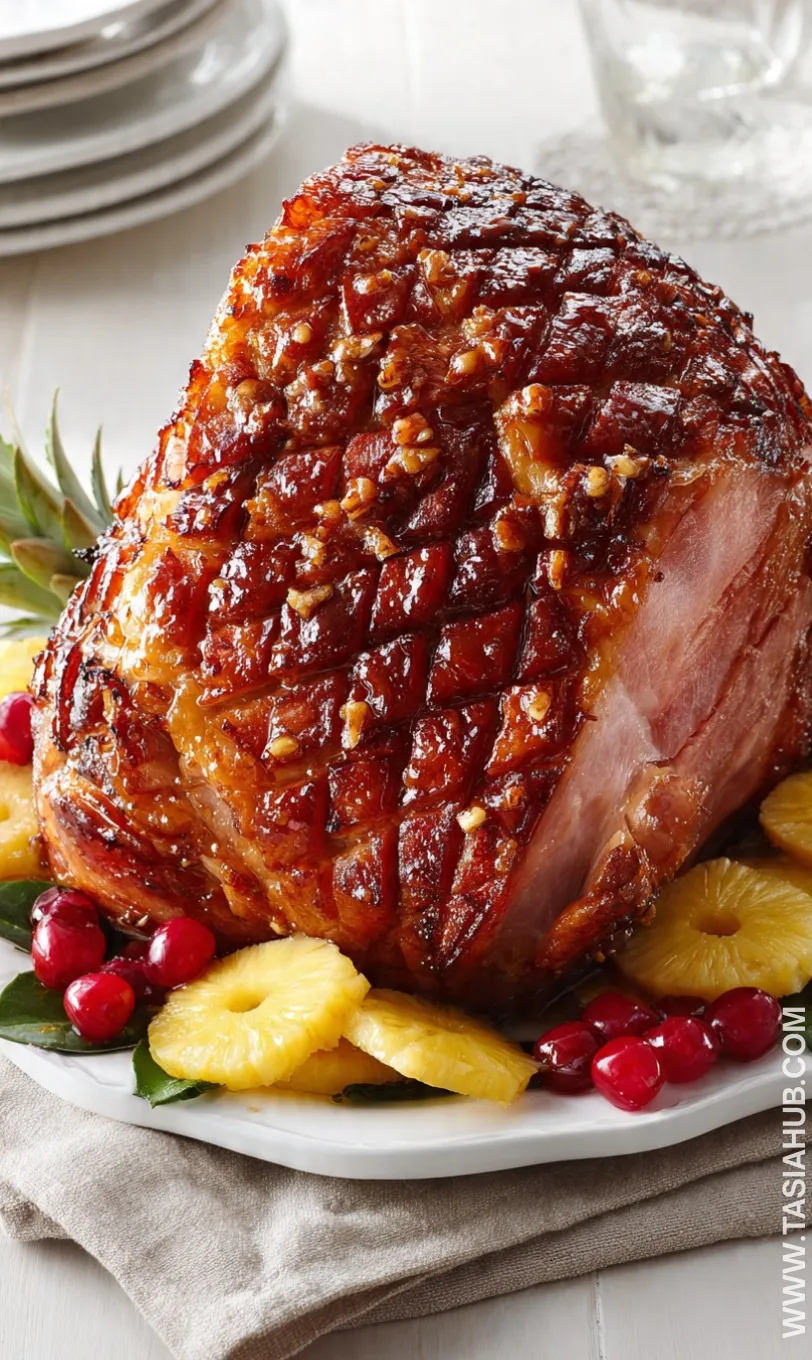
- Score the surface in a diamond pattern about ½ inch deep. This helps the glaze stick and creates those beautiful caramelized edges.
- Optional: Stud the intersections with whole cloves for a classic festive look.
Pro Tip: Scoring the ham also lets the heat penetrate more evenly, keeping the meat juicy.
Step 2: Prepare the Glaze
- In a small saucepan, combine brown sugar, honey, Dijon mustard, butter, and apple cider (or orange juice).
- Heat over medium-low heat, stirring until the sugar dissolves and the mixture is smooth.
- Optional: Add cinnamon for a subtle warm flavor.
Pro Tip: Whisk continuously to prevent the sugar from burning and ensure a smooth, shiny glaze.
Step 3: Apply the Glaze
- Place the ham on a rack in the roasting pan, fat side up.
- Brush a generous layer of glaze over the entire ham, making sure to get into the scored diamonds.
- Cover loosely with foil and place in the preheated oven.
Step 4: Roast the Ham
- Roast the ham for about 10–12 minutes per pound, basting with glaze every 20–30 minutes.
- Remove the foil for the last 20–30 minutes of cooking to let the glaze caramelize beautifully.
- Check the internal temperature—it should reach 140°F (60°C) for fully cooked hams.
Pro Tip: Use a meat thermometer inserted into the thickest part, away from the bone, for the most accurate reading.
Step 5: Rest and Serve
- Remove the ham from the oven and tent loosely with foil.
- Let it rest for at least 15 minutes before carving. This keeps the juices locked in.
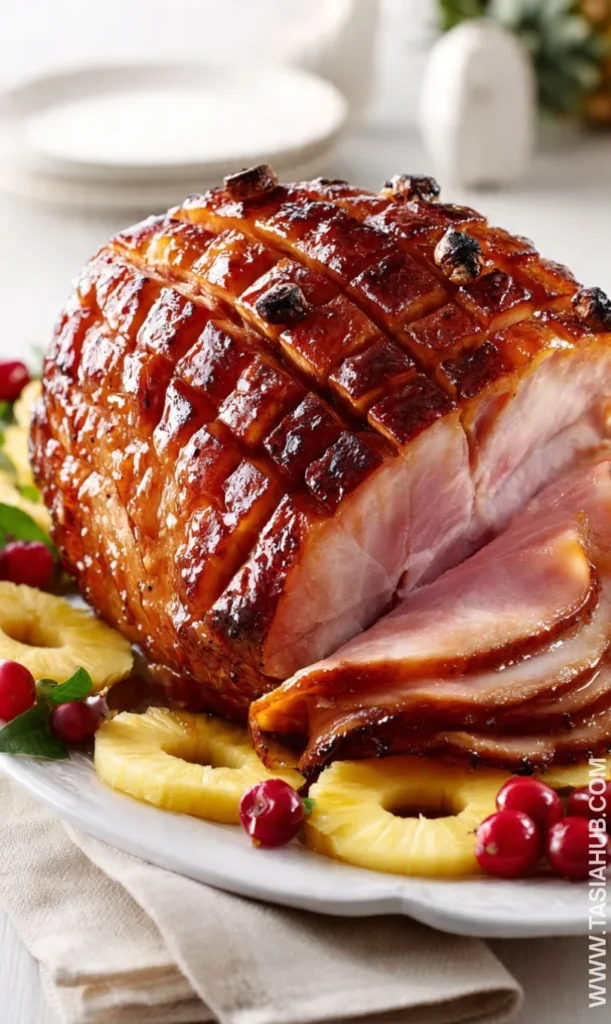
- Slice and serve on a platter, optionally garnished with pineapple slices, cherries, or fresh parsley.
Pro Tip: Resting is key—skip this, and the juices will run out when you cut, leaving the meat drier.
Tips and Tricks for Success
- Let the ham come to room temperature before roasting—it cooks more evenly and stays juicy.
- Always pat the ham dry before glazing to help the glaze stick and caramelize properly.
- Baste frequently during roasting to build up layers of flavor and keep the meat moist.
- Tent the ham with foil while resting to lock in the juices and prevent it from drying out.
- Use a meat thermometer to avoid overcooking; even fully cooked hams can dry out if heated too long.
Ingredient Substitutions and Variations
- Maple syrup or agave can replace honey for a different sweet flavor in the glaze.
- Swap Dijon mustard for whole-grain mustard for a slightly tangier texture.
- Add pineapple juice instead of apple cider for a tropical twist that pairs perfectly with brown sugar.
- Sprinkle ground cloves or nutmeg into the glaze for extra warmth and a festive aroma.
- For a sugar-free option, use erythritol or monk fruit sweetener in place of brown sugar.
Serving Suggestions
- Serve slices of ham alongside roasted spring vegetables like carrots, asparagus, and baby potatoes—I love how the sweetness of the glaze pairs with the earthy flavors.
- Pair with a creamy scalloped potato dish for a classic Easter spread that everyone raves about.
- Add a fresh fruit salad or pineapple rings on the side—it brightens the plate and balances the richness of the meat.
- Make mini ham sandwiches with leftover slices, mustard, and a soft roll for a fun, casual twist.
- I love serving this ham with a crisp green salad and honey-mustard vinaigrette—it cuts through the richness and keeps the meal light and fresh.
Storage and Reheating Instructions
- Refrigerate leftovers in an airtight container for up to 4–5 days.
- Freeze sliced ham for up to 2 months; wrap tightly in foil and place in a freezer bag.
- Reheat gently in the oven at 275°F (135°C) until warmed through, covering with foil to prevent drying.
- For quick reheating, microwave individual slices on medium power, covered with a damp paper towel, for 1–2 minutes.
- Glaze leftover ham lightly before reheating to restore some of the caramelized sweetness.
Frequently Asked Questions
How do I know when my ham is done?
Use a meat thermometer—the internal temperature should reach 140°F (60°C) for fully cooked hams. This ensures it’s warm and juicy without overcooking.
Can I use a boneless ham instead?
Yes! Just adjust the cooking time—boneless hams usually cook slightly faster. Keep an eye on the internal temperature to avoid drying it out.
Can I prepare the ham the night before?
Absolutely. You can glaze and cover it, then refrigerate overnight. Bring it to room temperature before roasting for even cooking.
What if I don’t have honey for the glaze?
Maple syrup, agave, or even brown sugar mixed with a little water works beautifully as a substitute—it still gives that sweet, caramelized finish.
How do I store leftover ham?
Refrigerate in an airtight container for 4–5 days, or freeze slices for up to 2 months. Reheat gently to keep it moist.
Can I make this ham for other occasions besides Easter?
Definitely! This recipe works for Christmas, family gatherings, or any festive meal—it’s a versatile crowd-pleaser.
Did you try this recipe? Let me know in the comments how it turned out!
Glazed Easter Ham
Equipment
- Roasting pan with rack
- Basting Brush
- Meat Thermometer
- Sharp carving knife
- Small saucepan
- Aluminum Foil
Ingredients
For the Ham
- 1 fully cooked bone-in ham about 8–10 lbs
- Whole cloves optional, for studding
For the Glaze
- 1 cup brown sugar
- ½ cup honey
- ¼ cup Dijon mustard
- ¼ cup apple cider or orange juice
- 2 tbsp unsalted butter
- 1 tsp ground cinnamon optional, for warmth
For Serving (Optional)
- Pineapple slices or cherries for garnish
- Fresh parsley for color
Instructions
Step 1: Preheat and Prep the Ham
- Preheat your oven to 325°F (165°C).
- Remove the ham from its packaging and discard any plastic covering the bone. Pat the ham dry with paper towels.
- Score the surface in a diamond pattern about ½ inch deep. This helps the glaze stick and creates those beautiful caramelized edges.
- Optional: Stud the intersections with whole cloves for a classic festive look.
- Pro Tip: Scoring the ham also lets the heat penetrate more evenly, keeping the meat juicy.
Step 2: Prepare the Glaze
- In a small saucepan, combine brown sugar, honey, Dijon mustard, butter, and apple cider (or orange juice).
- Heat over medium-low heat, stirring until the sugar dissolves and the mixture is smooth.
- Optional: Add cinnamon for a subtle warm flavor.
- Pro Tip: Whisk continuously to prevent the sugar from burning and ensure a smooth, shiny glaze.
Step 3: Apply the Glaze
- Place the ham on a rack in the roasting pan, fat side up.
- Brush a generous layer of glaze over the entire ham, making sure to get into the scored diamonds.
- Cover loosely with foil and place in the preheated oven.
Step 4: Roast the Ham
- Roast the ham for about 10–12 minutes per pound, basting with glaze every 20–30 minutes.
- Remove the foil for the last 20–30 minutes of cooking to let the glaze caramelize beautifully.
- Check the internal temperature—it should reach 140°F (60°C) for fully cooked hams.
- Pro Tip: Use a meat thermometer inserted into the thickest part, away from the bone, for the most accurate reading.
Step 5: Rest and Serve
- Remove the ham from the oven and tent loosely with foil.
- Let it rest for at least 15 minutes before carving. This keeps the juices locked in.
- Slice and serve on a platter, optionally garnished with pineapple slices, cherries, or fresh parsley.
- Pro Tip: Resting is key—skip this, and the juices will run out when you cut, leaving the meat drier.
Notes
Nutritional Value (per serving – approximate)
- Calories: 420 kcal
- Protein: 32 g
- Fat: 22 g
- Saturated Fat: 8 g
- Carbohydrates: 24 g
- Sugar: 20 g
- Sodium: 1,180 mg
- Fiber: 0 g