Easter Egg Cheesecake
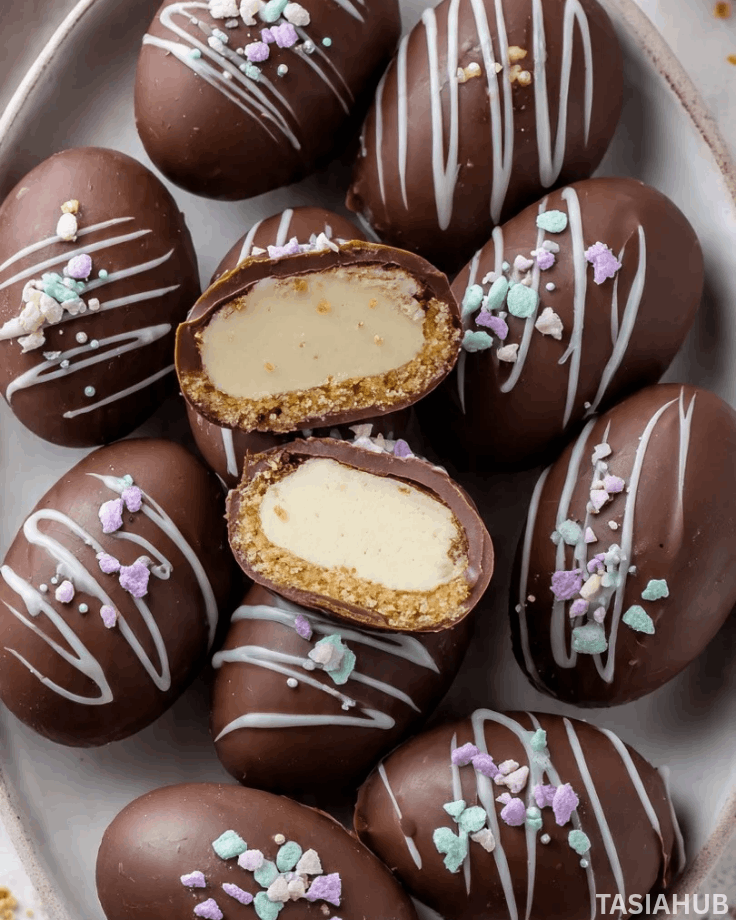
Springtime brings so many reasons to celebrate, and Easter is the perfect excuse to gather around the table with family and friends. One of my favorite treats for the season is this Easter egg cheesecake. It’s playful, colorful, and rich without being overly sweet — the perfect centerpiece for any holiday dessert spread.
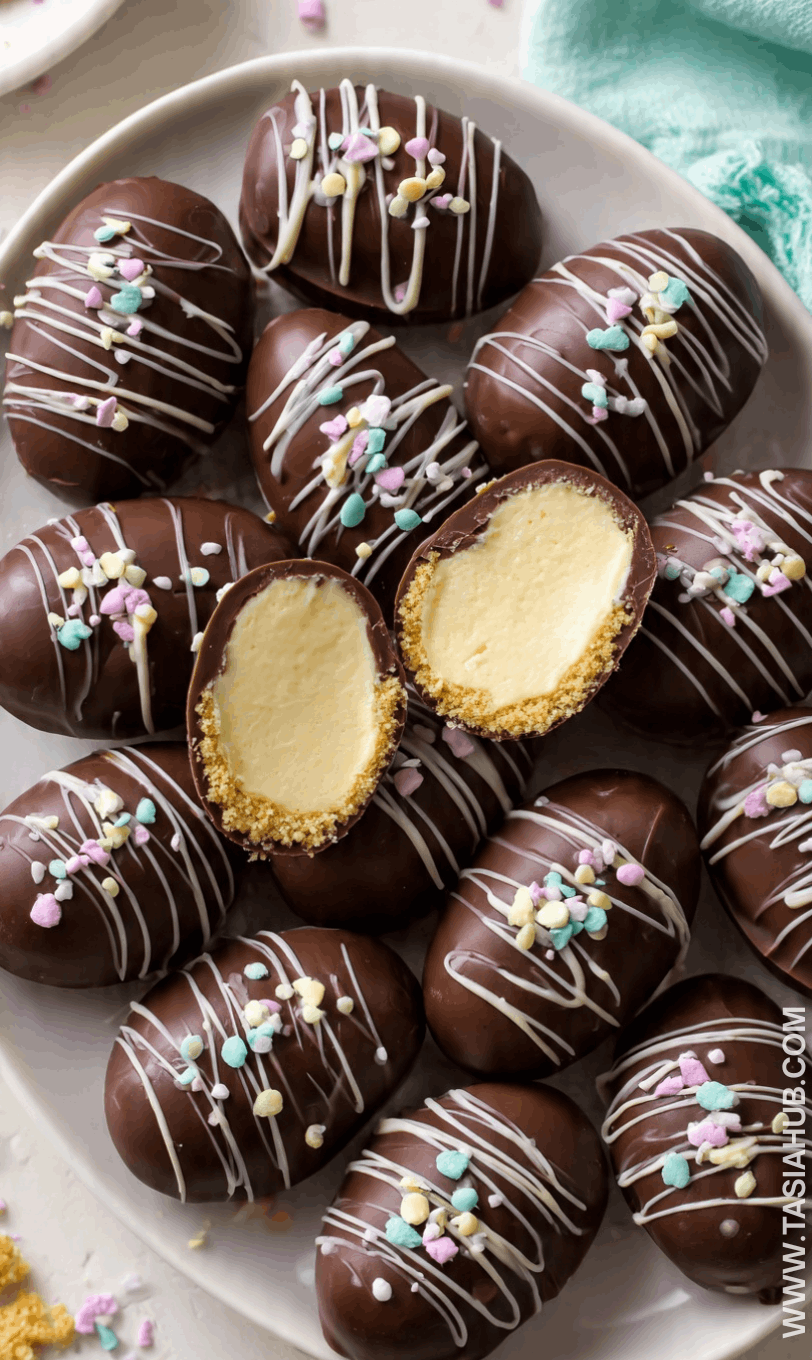
What I love most about this recipe is how it transforms the classic cheesecake into little bite-sized treats. Each cheesecake egg is smooth, creamy, and coated in a thin chocolate shell that cracks open to reveal the luscious filling inside. Kids and adults alike will be drawn to them, and they’re a fun way to put a new twist on traditional Easter desserts.
This Easter dessert also gives you room to get creative. You can decorate the cheesecake eggs with pastel sprinkles, edible glitter, or even drizzle them with white and dark chocolate for a marbled effect. They look almost too good to eat, but trust me — they disappear fast once people take a bite.
If you want to impress your guests with something festive but still approachable, these cheesecake eggs are the answer. Not only do they taste amazing, but they’re also fun to make. I promise the process is as rewarding as the final result, making it a truly special treat for Easter celebrations.
Why You’ll Love It
- Adorable and festive: These cheesecake eggs are a showstopper on any dessert table. Their pastel colors and smooth chocolate coating instantly bring Easter vibes to life.
- Perfect portion size: Each egg is just the right size for indulging without feeling guilty, making it easy to serve to a crowd or pack for an Easter basket treat.
- Creamy and rich filling: The cheesecake inside is silky, tangy, and decadent — it melts in your mouth and pairs beautifully with the chocolate shell.
- Fun to make (and decorate!): From drizzling chocolate to adding sprinkles, every step gives you a chance to get creative. It’s a great activity to do with kids or friends.
- A twist on a classic: This takes the familiar comfort of cheesecake and turns it into a playful Easter dessert that everyone will remember long after the holiday is over.
Ingredient List
For the Crust
- 1 ½ cups graham cracker crumbs
- ¼ cup granulated sugar
- 6 tbsp unsalted butter, melted
For the Cheesecake Filling
- 16 oz cream cheese, softened
- ½ cup granulated sugar
- 1 tsp vanilla extract
- 2 tbsp heavy cream
For the Chocolate Coating
- 8 oz semi-sweet chocolate, chopped
- 1 tsp coconut oil (optional, for shine)
For Decorating (Optional)
- Pastel sprinkles
- White chocolate for drizzling
Ingredient Notes
- I always use Philadelphia cream cheese for cheesecake — it makes the filling extra creamy and smooth.
- Don’t skip the graham cracker crust; it adds just the right crunch and balances the sweetness.
- Coconut oil in the chocolate coating gives it a glossy, professional-looking finish — totally worth it.
- If you can, use good-quality chocolate for melting; it makes the cheesecake eggs taste like they came from a bakery.
- Decorations are optional but make these cheesecake eggs festive and fun — I love pastel sprinkles for that classic Easter vibe.
Kitchen Equipment Needed
- Mixing bowls: For combining crust and cheesecake ingredients — I love using glass bowls so I can see everything clearly.
- Hand mixer or stand mixer: Makes the cheesecake filling super smooth and creamy.
- Mini muffin pan or half egg silicone mold: Perfect for shaping the cheesecake eggs.
- Parchment paper: Prevents sticking and makes cleanup a breeze.
- Spatula: For folding and scraping the batter — I always use a silicone one for flexibility.
- Double boiler or microwave-safe bowl: For melting chocolate evenly without burning.
- Spoon or small piping bag: Helps coat and decorate the cheesecake eggs neatly.
Instructions
Step 1: Prepare the Crust
- Preheat your oven to 325°F (160°C).
- In a medium bowl, combine the graham cracker crumbs and sugar.
- Pour in the melted butter and stir until the mixture looks like wet sand.
- Press the mixture firmly into the bottom of your mini muffin pan or silicone mold.
- Pro tip: Use the back of a spoon or a small measuring cup to press the crumbs evenly — this helps the crust hold together after baking.
- Bake for 5–7 minutes, then let it cool completely while you make the filling.
Step 2: Make the Cheesecake Filling
- In a large mixing bowl, beat the cream cheese on medium speed until smooth and creamy.
- Pro tip: Make sure your cream cheese is fully softened to avoid lumps.
- Add sugar and vanilla extract, and continue to mix until well combined.
- Add heavy cream and mix just until smooth. Don’t overmix — you don’t want too much air in the batter.
Step 3: Assemble the Cheesecake Eggs
- Spoon or pipe the cheesecake filling onto the cooled crusts, filling each cavity almost to the top.
- Smooth the tops with a small spatula or the back of a spoon.
- Refrigerate for at least 2–3 hours, or until the filling is firm.
Step 4: Prepare the Chocolate Coating
- Melt the chocolate and coconut oil together in a double boiler or microwave in 30-second intervals, stirring in between.
- Pro tip: Whisk continuously while melting in a microwave to prevent the chocolate from seizing.
- Let the chocolate cool slightly so it’s thick but still pourable.
Step 5: Coat the Cheesecake Eggs
- Remove the cheesecake eggs from the molds carefully.
- Dip each egg into the melted chocolate, making sure it’s fully coated.
- Place the coated eggs on parchment paper to set.
- Decorate with sprinkles or drizzle with white chocolate while the coating is still soft.
Step 6: Chill and Serve
- Refrigerate the cheesecake eggs for 30 minutes to 1 hour, or until the chocolate coating is completely set.
- Serve chilled and enjoy!
- Pro tip: Keep any leftovers in an airtight container in the fridge — they stay fresh for up to 4 days.
Tips and Tricks for Success
- Room temperature ingredients: Make sure your cream cheese and egg are at room temperature — it helps create a silky, lump-free filling.
- Don’t overmix: Overmixing the cheesecake batter can trap air, causing cracks or a dense texture. Mix just until smooth.
- Chill thoroughly: Give the cheesecake eggs enough time to set in the fridge before dipping in chocolate — it prevents cracking and makes coating easier.
- Use a light hand with decorations: Sprinkle or drizzle gently while the chocolate is still soft so decorations stick without smudging.
- Work in batches: If your chocolate cools too quickly, rewarm it slightly to maintain a smooth coating.
Ingredient Substitutions and Variations
- Crust: Swap graham crackers for digestive biscuits or crushed cookies like shortbread for a different flavor.
- Cream cheese: Neufchâtel can replace cream cheese for a slightly lighter version without compromising texture.
- Chocolate coating: Use milk chocolate, white chocolate, or even candy melts for fun color variations.
- Add flavor: Mix a teaspoon of lemon or orange zest into the cheesecake filling for a fresh, springtime twist.
- Decorations: Try crushed nuts, mini chocolate chips, or edible flowers instead of sprinkles for a unique look.
Serving Suggestions
- I love arranging these cheesecake eggs in a pastel-colored dessert tray for Easter brunch — they instantly make the table feel festive.
- Serve them alongside fresh berries and a dollop of whipped cream for a light, spring-inspired dessert plate.
- Pair with a cup of hot coffee or tea; the creamy filling and chocolate coating balance perfectly with a warm drink.
- Add a few to an Easter basket for a fun, edible surprise that everyone will enjoy.
- For a playful twist, place a few on a cake stand with other mini desserts — it creates a colorful, eye-catching centerpiece.

Storage and Reheating Instructions
- Refrigerate: Store cheesecake eggs in an airtight container in the fridge for up to 4 days.
- Freeze: You can freeze them for up to 1 month; thaw in the fridge before serving.
- Avoid direct heat: Don’t leave them out in the sun or near warm appliances, or the chocolate coating may melt.
- Serve chilled: These are best enjoyed straight from the fridge for that creamy, firm texture.
- Re-coat if needed: If the chocolate gets a little dull in storage, you can drizzle fresh melted chocolate over the top before serving.
Frequently Asked Questions
How long do cheesecake eggs last?
Cheesecake eggs stay fresh in the fridge for up to 4 days. For longer storage, you can freeze them for up to 1 month — just thaw in the fridge before serving.
Can I make them ahead of time?
Absolutely! You can prepare the crust, filling, and even coat them in chocolate a day or two in advance. Just keep them refrigerated until ready to serve.
Can I use different chocolate for the coating?
Yes! Milk chocolate, white chocolate, or candy melts all work beautifully. You can even mix types for a fun, marbled effect.
How do I prevent the chocolate from cracking?
Make sure the cheesecake is well-chilled before dipping. Also, don’t apply too thick a layer of chocolate at once — a thin, even coat sets more smoothly.
Can I make these dairy-free or vegan?
You can swap cream cheese for a vegan alternative and use dairy-free chocolate. The texture may be slightly different, but they’ll still taste delicious.
Can I add flavors to the cheesecake filling?
Yes! A teaspoon of lemon, orange, or even almond extract adds a lovely hint of flavor without overpowering the creamy base.
Did you try this recipe? Let me know in the comments how your Easter egg cheesecake turned out — I love hearing about your creative spins and favorite decorations!
Easter Egg Cheesecake
Equipment
- Mixing Bowls
- Hand mixer or stand mixer
- Mini muffin pan or silicone mold
- Parchment paper
- Spatula
- Double boiler or microwave-safe bowl
- Spoon or small piping bag
Ingredients
For the Crust
- 1 ½ cups graham cracker crumbs
- ¼ cup granulated sugar
- 6 tbsp unsalted butter melted
For the Cheesecake Filling
- 16 oz cream cheese softened
- ½ cup granulated sugar
- 1 tsp vanilla extract
- 2 tbsp heavy cream
For the Chocolate Coating
- 8 oz semi-sweet chocolate chopped
- 1 tsp coconut oil optional, for shine
For Decorating (Optional)
- Pastel sprinkles
- White chocolate for drizzling
Instructions
Step 1: Prepare the Crust
- Preheat your oven to 325°F (160°C).
- In a medium bowl, combine the graham cracker crumbs and sugar.
- Pour in the melted butter and stir until the mixture looks like wet sand.
- Press the mixture firmly into the bottom of your mini muffin pan or silicone mold.
- Pro tip: Use the back of a spoon or a small measuring cup to press the crumbs evenly — this helps the crust hold together after baking.
- Bake for 5–7 minutes, then let it cool completely while you make the filling.
Step 2: Make the Cheesecake Filling
- In a large mixing bowl, beat the cream cheese on medium speed until smooth and creamy.
- Pro tip: Make sure your cream cheese is fully softened to avoid lumps.
- Add sugar and vanilla extract, and continue to mix until well combined.
- Add heavy cream and mix just until smooth. Don’t overmix — you don’t want too much air in the batter.
Step 3: Assemble the Cheesecake Eggs
- Spoon or pipe the cheesecake filling onto the cooled crusts, filling each cavity almost to the top.
- Smooth the tops with a small spatula or the back of a spoon.
- Refrigerate for at least 2–3 hours, or until the filling is firm.
Step 4: Prepare the Chocolate Coating
- Melt the chocolate and coconut oil together in a double boiler or microwave in 30-second intervals, stirring in between.
- Pro tip: Whisk continuously while melting in a microwave to prevent the chocolate from seizing.
- Let the chocolate cool slightly so it’s thick but still pourable.
Step 5: Coat the Cheesecake Eggs
- Remove the cheesecake eggs from the molds carefully.
- Dip each egg into the melted chocolate, making sure it’s fully coated.
- Place the coated eggs on parchment paper to set.
- Decorate with sprinkles or drizzle with white chocolate while the coating is still soft.
Step 6: Chill and Serve
- Refrigerate the cheesecake eggs for 30 minutes to 1 hour, or until the chocolate coating is completely set.
- Serve chilled and enjoy!
- Pro tip: Keep any leftovers in an airtight container in the fridge — they stay fresh for up to 4 days.
Notes
Nutritional Value (Per Serving – Approximate)
- Calories: 280 kcal
- Carbohydrates: 24 g
- Protein: 5 g
- Fat: 19 g
- Saturated Fat: 11 g
- Sugar: 18 g
- Fiber: 1 g
- Sodium: 180 mg