Bean and Potato Soup
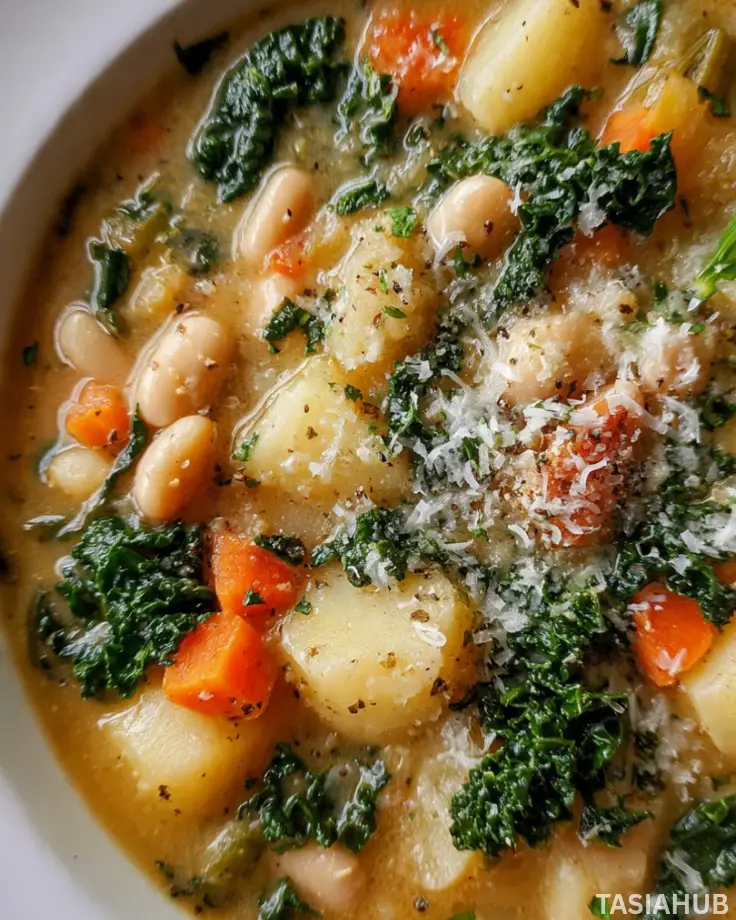
A warm bowl of bean and potato soup always feels like a reset button after a long day. It’s the kind of meal that doesn’t demand much from you, yet delivers deep, comforting flavor with every spoonful. With simple pantry staples and a few fresh ingredients, you can create something hearty, filling, and genuinely satisfying.
This recipe brings together tender beans and soft, buttery potatoes in a rich, savory broth that slowly develops flavor as it simmers. It leans into everything you’d expect from an easy bean soup—minimal prep, wholesome ingredients, and a cozy, homemade feel that makes it perfect for weeknights or lazy weekends. There’s no need for anything complicated here; just straightforward cooking that works.
What makes this dish even better is how versatile it is. You can keep it light and brothy or let it thicken into something closer to a homemade potato soup, depending on how long you let it cook and how you prefer the texture. It’s also a great way to use up ingredients you already have on hand, making it both practical and budget-friendly.
Whether you’re cooking for yourself or feeding a family, this bean potato soup fits effortlessly into your routine. It’s comforting without being heavy, simple without being boring, and the kind of recipe you’ll find yourself coming back to again and again.
Why You’ll Love It
- It’s budget-friendly without feeling basic: Beans and potatoes are some of the most affordable ingredients, but when combined, they create a rich, satisfying soup that tastes far more elevated than its cost.
- Simple ingredients, big flavor payoff: This easy bean soup relies on pantry staples, yet the slow simmering process builds a deep, comforting flavor that tastes like it took hours of effort.
- Hearty enough to stand on its own: Thanks to the combination of protein-rich beans and filling potatoes, this soup is more than just a starter—it’s a complete, satisfying meal.
- Customizable to your taste and pantry: You can easily switch up the beans, add vegetables, or adjust the thickness to lean more toward a homemade potato soup texture or keep it light and brothy.
- Perfect for meal prep and leftovers: It stores well, reheats beautifully, and often tastes even better the next day as the flavors continue to develop.
Ingredient List
For the Soup
- 2 tablespoons olive oil
- 1 medium onion, diced
- 3 cloves garlic, minced
- 2 medium carrots, chopped
- 2 celery stalks, chopped
- 3 medium potatoes, peeled and diced
- 1½ cups cooked beans (or 1 can, drained and rinsed)
- 4 cups vegetable broth (or chicken broth)
- 1 teaspoon salt (adjust to taste)
- ½ teaspoon black pepper
- 1 teaspoon dried thyme
- 1 teaspoon smoked paprika
- 1 bay leaf
Optional Add-Ins & Garnish
- 1 cup chopped spinach or kale
- ½ teaspoon red pepper flakes (for heat)
- 2 tablespoons chopped fresh parsley
- Grated Parmesan cheese (for serving)
Ingredient Notes
- Beans: Use whatever you have—kidney beans, cannellini, or black beans all work. I usually go for cannellini because they’re creamy and blend perfectly into the soup.
- Potatoes: Yukon Gold or red potatoes are ideal for a softer, buttery texture. If you want a thicker, more homemade potato soup feel, russet potatoes break down beautifully.
- Broth: A good-quality broth makes a noticeable difference. I always use a rich vegetable broth for a deeper flavor, but chicken broth works just as well.
- Smoked paprika: Don’t skip this—it adds a subtle smoky depth that makes the soup taste like it’s been cooking all day.
- Leafy greens (optional): Adding spinach or kale at the end gives a fresh contrast and boosts the nutrition without extra effort.
- Parmesan cheese: Totally optional, but a sprinkle on top adds a savory, slightly salty finish that ties everything together.
Kitchen Equipment Needed
- Large soup pot or Dutch oven – For cooking everything evenly and allowing the flavors to develop. I love using a heavy-bottomed Dutch oven because it holds heat really well.
- Cutting board – For prepping all your vegetables safely and efficiently.
- Sharp knife – Makes chopping onions, potatoes, and carrots quicker and cleaner. A good knife really speeds things up.
- Wooden spoon or silicone spatula – For stirring the soup as it cooks without scratching your pot.
- Measuring cups and spoons – To keep your ingredient quantities accurate, especially for spices and broth.
- Ladle – Makes serving the soup easy and mess-free.
- Peeler – Helpful for quickly peeling the potatoes (unless you prefer leaving the skins on for extra texture).
Instructions
Step 1: Prep the Ingredients
- Peel and dice the potatoes into roughly 1-inch cubes. Uniform pieces ensure even cooking.
- Dice the onion and chop the carrots and celery into small, similar-sized pieces.
- Mince the garlic cloves.
- If using canned beans, rinse and drain them well.
Pro Tip: I like to prep all the vegetables first and keep them in separate bowls—it makes the cooking process smoother and less hectic.
Step 2: Sauté the Aromatics
- Heat 2 tablespoons of olive oil in a large soup pot or Dutch oven over medium heat.
- Add the diced onion, carrots, and celery. Cook for about 5–6 minutes, stirring occasionally, until the onions are translucent and the vegetables begin to soften.
- Stir in the minced garlic and cook for an additional 1–2 minutes until fragrant.
Pro Tip: Don’t rush this step—slowly sautéing the aromatics builds a rich flavor base for the soup.
Step 3: Add Potatoes and Beans
- Add the diced potatoes and cooked beans to the pot, stirring to combine with the aromatics.
- Pour in 4 cups of vegetable broth and, if needed, 1 cup of water to reach your desired soup consistency.
- Add the bay leaf, dried thyme, smoked paprika, salt, and black pepper. Stir everything together.
Step 4: Simmer the Soup
- Bring the soup to a gentle boil over medium-high heat, then reduce to a low simmer.
- Cover the pot partially and let it cook for 20–25 minutes, or until the potatoes are tender and easily pierced with a fork.
- Stir occasionally to prevent sticking and ensure even cooking.
Pro Tip: Simmering slowly helps the flavors meld beautifully without breaking down the potatoes too much.
Step 5: Adjust Texture and Seasoning
- Taste the soup and adjust salt and pepper as needed.
- For a thicker, creamier texture, mash a portion of the potatoes and beans directly in the pot using a potato masher.
- If you like it thinner, add a bit more broth or water.
Step 6: Add Greens and Serve
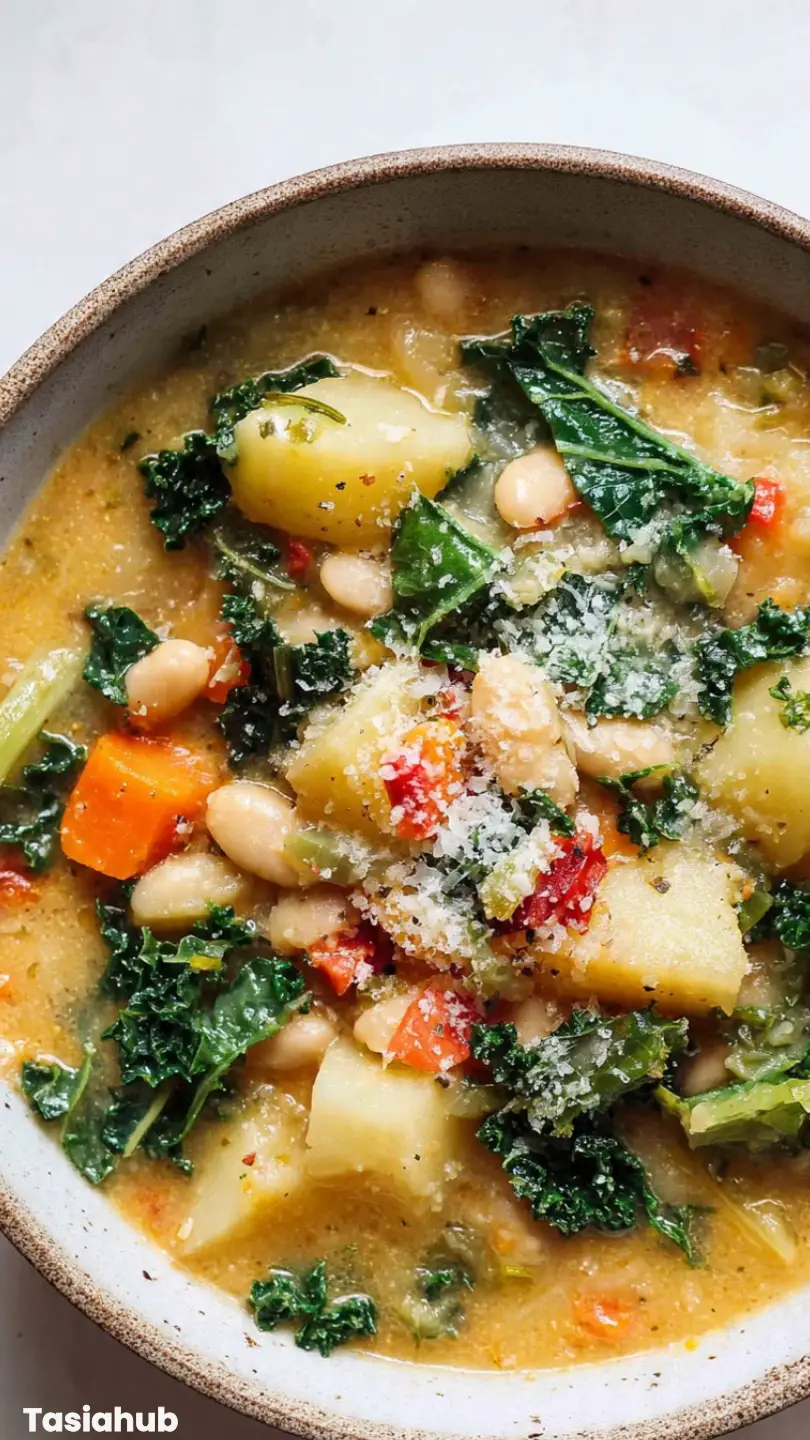
- If using spinach or kale, stir it into the soup in the last 2–3 minutes of cooking. Let it wilt but stay vibrant.
- Remove the bay leaf before serving.
- Ladle the soup into bowls and sprinkle with chopped parsley or grated Parmesan cheese, if desired.
Pro Tip: Serve immediately for the best flavor and texture. Leftovers are great, but a quick reheat with a splash of broth helps maintain the soup’s consistency.
Tips and Tricks for Success
- Sauté the aromatics properly: Take a few extra minutes to cook the onion, garlic, carrots, and celery until softened and fragrant. This builds the flavor base and makes a noticeable difference.
- Cut potatoes evenly: Keep the potato pieces similar in size so they cook at the same rate and give you a consistent texture throughout the soup.
- Mash a portion for thickness: For a creamier consistency, mash some of the potatoes and beans directly in the pot. It gives that homemade potato soup feel without adding cream.
- Let it simmer, not boil: A gentle simmer helps the flavors develop without breaking down the ingredients too quickly.
- Taste and adjust at the end: Always check for salt and seasoning before serving. Beans and potatoes can absorb a lot of flavor, so a final adjustment makes everything pop.
- Add greens last: If using spinach or kale, stir them in during the last few minutes so they stay vibrant and fresh.
Ingredient Substitutions and Variations
- Swap the beans: Use kidney beans, black beans, or chickpeas instead of white beans for a slightly different texture and flavor.
- Make it creamy: Add a splash of heavy cream or coconut milk for a richer, creamier version.
- Use sweet potatoes: Replace regular potatoes with sweet potatoes for a slightly sweeter, more nutrient-dense twist.
- Add protein: Stir in cooked shredded chicken, sausage, or even tofu to make it more filling.
- Change the herbs: Swap thyme for rosemary, Italian seasoning, or even fresh herbs if you have them on hand.
- Make it spicy: Add extra red pepper flakes or a dash of hot sauce for a bit of heat.
- Go fully vegan or vegetarian: Stick with vegetable broth and skip the Parmesan, or use a plant-based alternative.
- Add more vegetables: Zucchini, corn, or bell peppers can be tossed in to bulk up the soup and add more color.
Serving Suggestions
- With crusty bread or garlic bread: I love serving this with warm, crusty bread—it’s perfect for soaking up every bit of that flavorful broth.
- Paired with a fresh green salad: A simple salad with a light vinaigrette balances the heartiness of the soup and keeps the meal feeling fresh.
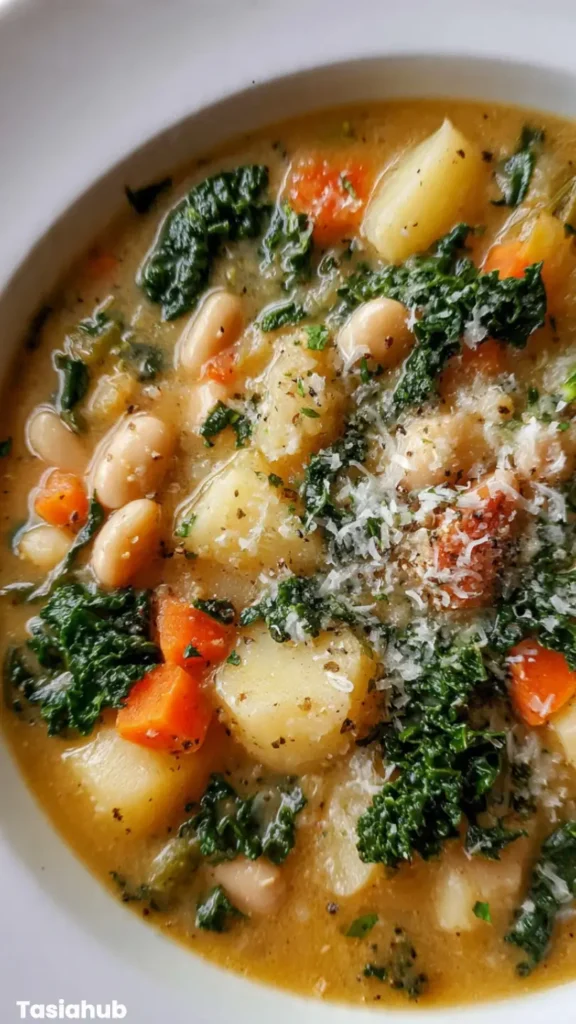
- Topped with cheese and herbs: Add grated Parmesan and fresh parsley right before serving for a boost of flavor and a slightly creamy finish.
- With rice or grains: Spoon the soup over cooked rice, quinoa, or even couscous to make it extra filling and satisfying.
- Alongside roasted vegetables: I like serving this with a side of roasted carrots or broccoli—it adds a nice texture contrast and rounds out the meal.
Storage and Reheating Instructions
- Refrigeration: Store in an airtight container in the fridge for up to 4 days.
- Freezing: Let the soup cool completely, then freeze in portions for up to 2–3 months. Leave a little space in the container for expansion.
- Reheating on the stove: Warm over medium heat, stirring occasionally, until heated through. Add a splash of water or broth if it thickens too much.
- Reheating in the microwave: Heat in a microwave-safe bowl in 1-minute intervals, stirring in between until hot.
- Texture tip after storage: The soup will thicken as it sits. I usually add a bit of broth when reheating to bring it back to the perfect consistency.
Frequently Asked Questions
Can I use canned beans instead of dried?
Absolutely. Canned beans are perfect for saving time. Just rinse and drain them well before adding to the soup.
How do I make this soup thicker?
You can mash some of the potatoes and beans directly in the pot or let the soup simmer a bit longer to reduce and thicken naturally.
Can I make this in advance?
Yes, and it actually tastes better the next day. The flavors deepen as it sits, making leftovers even more delicious.
What type of potatoes work best?
Yukon Gold for a creamy texture or russet potatoes if you want the soup to thicken more as it cooks.
Can I make this in a slow cooker?
Yes. Add everything except leafy greens and cook on low for 6–7 hours or high for 3–4 hours. Stir in greens at the end.
Is this soup freezer-friendly?
It is. Just keep in mind that potatoes can soften more after freezing, but the flavor will still be great.
Did you try this recipe? Let me know in the comments how it turned out!
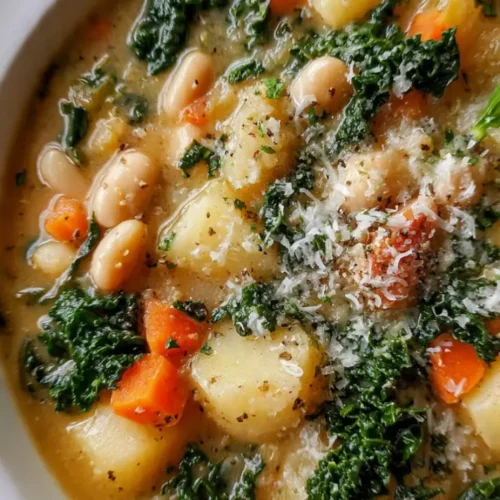
Bean and Potato Soup
Equipment
- Large Soup Pot or Dutch Oven
- Cutting board
- Sharp Knife
- Wooden Spoon or Silicone Spatula
- Measuring cups and spoons
- Ladle
- Peeler
Ingredients
For the Soup
- 2 tablespoons olive oil
- 1 medium onion diced
- 3 cloves garlic minced
- 2 medium carrots chopped
- 2 celery stalks chopped
- 3 medium potatoes peeled and diced
- 1½ cups cooked beans or 1 can, drained and rinsed
- 4 cups vegetable broth or chicken broth
- 1 teaspoon salt adjust to taste
- ½ teaspoon black pepper
- 1 teaspoon dried thyme
- 1 teaspoon smoked paprika
- 1 bay leaf
Optional Add-Ins & Garnish
- 1 cup chopped spinach or kale
- ½ teaspoon red pepper flakes for heat
- 2 tablespoons chopped fresh parsley
- Grated Parmesan cheese for serving
Instructions
Step 1: Prep the Ingredients
- Peel and dice the potatoes into roughly 1-inch cubes. Uniform pieces ensure even cooking.
- Dice the onion and chop the carrots and celery into small, similar-sized pieces.
- Mince the garlic cloves.
- If using canned beans, rinse and drain them well.
- Pro Tip: I like to prep all the vegetables first and keep them in separate bowls—it makes the cooking process smoother and less hectic.
Step 2: Sauté the Aromatics
- Heat 2 tablespoons of olive oil in a large soup pot or Dutch oven over medium heat.
- Add the diced onion, carrots, and celery. Cook for about 5–6 minutes, stirring occasionally, until the onions are translucent and the vegetables begin to soften.
- Stir in the minced garlic and cook for an additional 1–2 minutes until fragrant.
- Pro Tip: Don’t rush this step—slowly sautéing the aromatics builds a rich flavor base for the soup.
Step 3: Add Potatoes and Beans
- Add the diced potatoes and cooked beans to the pot, stirring to combine with the aromatics.
- Pour in 4 cups of vegetable broth and, if needed, 1 cup of water to reach your desired soup consistency.
- Add the bay leaf, dried thyme, smoked paprika, salt, and black pepper. Stir everything together.
Step 4: Simmer the Soup
- Bring the soup to a gentle boil over medium-high heat, then reduce to a low simmer.
- Cover the pot partially and let it cook for 20–25 minutes, or until the potatoes are tender and easily pierced with a fork.
- Stir occasionally to prevent sticking and ensure even cooking.
- Pro Tip: Simmering slowly helps the flavors meld beautifully without breaking down the potatoes too much.
Step 5: Adjust Texture and Seasoning
- Taste the soup and adjust salt and pepper as needed.
- For a thicker, creamier texture, mash a portion of the potatoes and beans directly in the pot using a potato masher.
- If you like it thinner, add a bit more broth or water.
Step 6: Add Greens and Serve
- If using spinach or kale, stir it into the soup in the last 2–3 minutes of cooking. Let it wilt but stay vibrant.
- Remove the bay leaf before serving.
- Ladle the soup into bowls and sprinkle with chopped parsley or grated Parmesan cheese, if desired.
- Pro Tip: Serve immediately for the best flavor and texture. Leftovers are great, but a quick reheat with a splash of broth helps maintain the soup’s consistency.
Notes
Nutritional Value (per serving, approximate)
- Calories: 220–250 kcal
- Protein: 10–12 g
- Carbohydrates: 40–45 g
- Fiber: 8–10 g
- Fat: 5–6 g
- Sodium: 600 mg